

Josiah Spode may not be as widely recognized as his contemporary, Josiah Wedgwood, but his contributions to ceramics were just as revolutionary. As the pioneer of bone china and a trailblazer in transfer printing, Spode’s impact on British pottery is still felt today. He refined the beauty of ceramics and helped make high-quality tableware accessible to the growing middle class of the 18th and 19th centuries.
From Humble Potter to Industrial Innovator
Born in 1733 in Stoke-on-Trent, Spode started as an apprentice in the thriving Staffordshire pottery industry. He worked his way up, eventually establishing his own pottery works in the 1770s. Like Wedgwood, Spode understood that the future of ceramics lay not just in craftsmanship but in scientific experimentation and industrial production.
The Invention of Bone China
Spode’s most enduring legacy is his role in perfecting bone china.

While others had experimented with porcelain formulas, Spode successfully developed a strong, translucent ceramic by incorporating bone ash into the mix. This made it:
- More durable than soft-paste porcelain.
- Whiter and more refined than earthenware.
- Easier to mass-produce while maintaining an elegant finish.
His perfected recipe became the standard for English bone china, and even today, most fine china follows Spode’s formula. His innovation solidified Britain’s dominance in high-end ceramics, enabling the production of porcelain-like wares on a large scale.

Transfer Printing: Democratizing Elegance
Before Spode, intricate ceramic designs were hand-painted, making decorated pottery expensive and time-consuming to produce.

Spode helped refine underglaze blue transfer printing, a method that enabled the mass production of detailed patterns. This technique:
- Employed engraved copper plates to transfer intricate designs onto paper, which was then applied to pottery.
- Enabled consistent, repeatable designs, ensuring quality and efficiency.
- Made beautifully decorated ceramics affordable, bringing blue-and-white and other coloured tableware into ordinary homes.
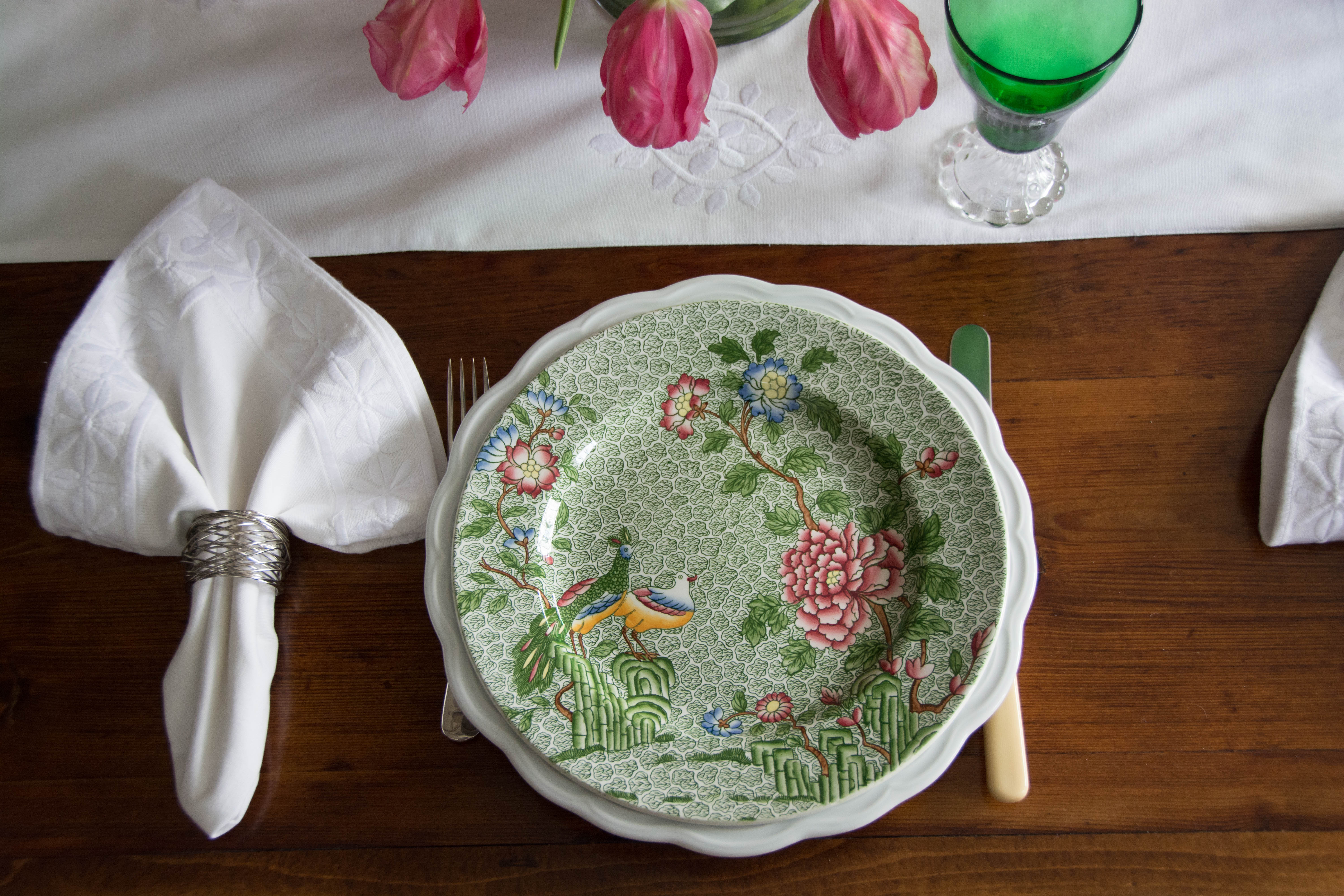
One of the most famous results of this innovation was Spode’s Blue Italian pattern, introduced in 1816 and still in production today; another still-current pattern is Tower, which comes in pink and blue.
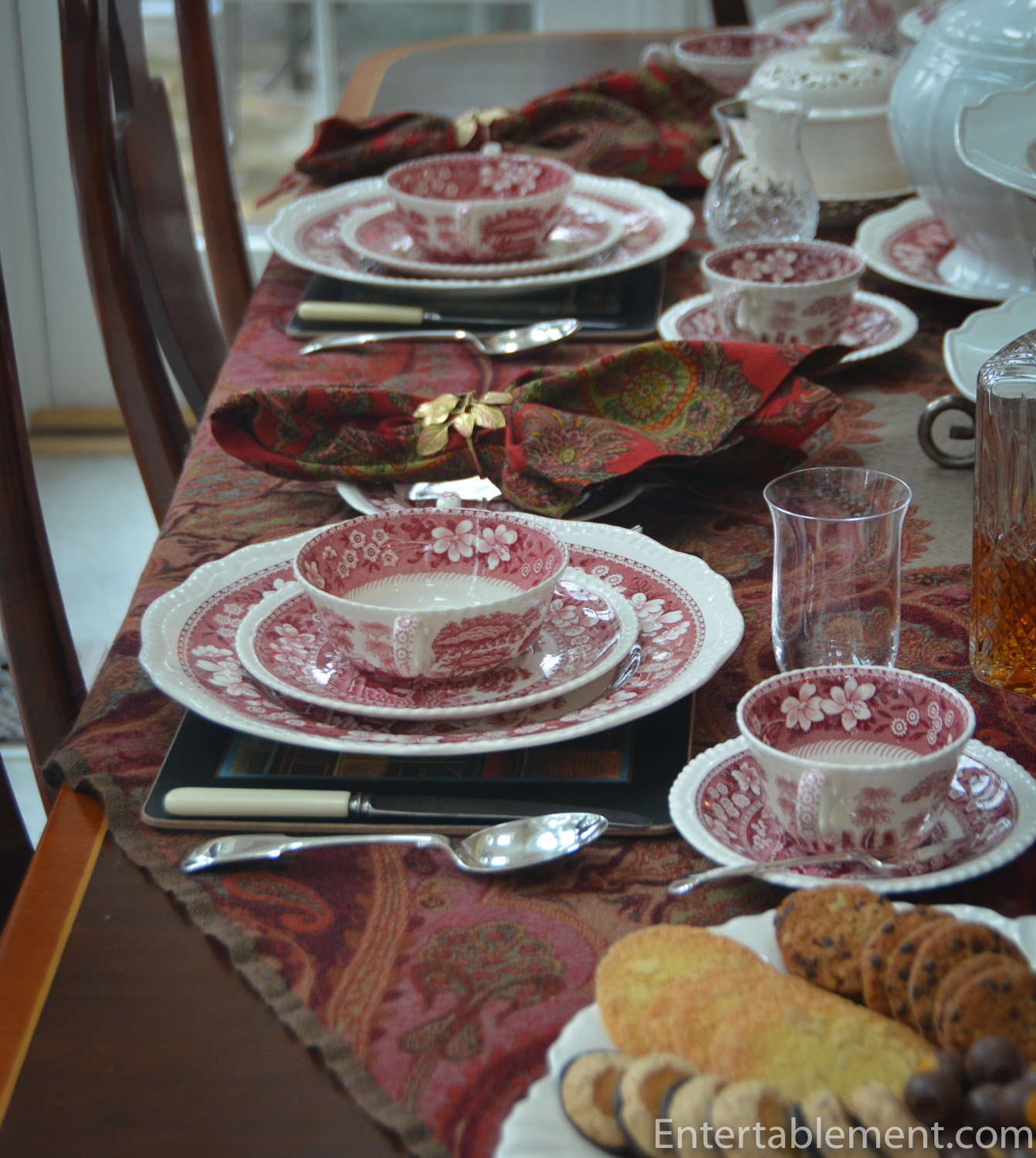
Combining bone china and transfer printing revolutionized tableware, enabling middle-class families to enjoy elegant ceramics that were once reserved for the gentry.
Spode’s Business Model: Craftsmanship Meets Commerce
Unlike other industrialists of his time, Spode maintained a strong commitment to quality and accessibility. He understood the importance of:
- Marrying artistry with mass production, he ensured his wares remained beautiful and affordable.
- Adapting to consumer demand, pioneering fashionable designs that resonated with both the wealthy and the rising middle class.
- Exporting ceramics worldwide, Spode became a household name beyond Britain.
Challenges and the Company’s Fate
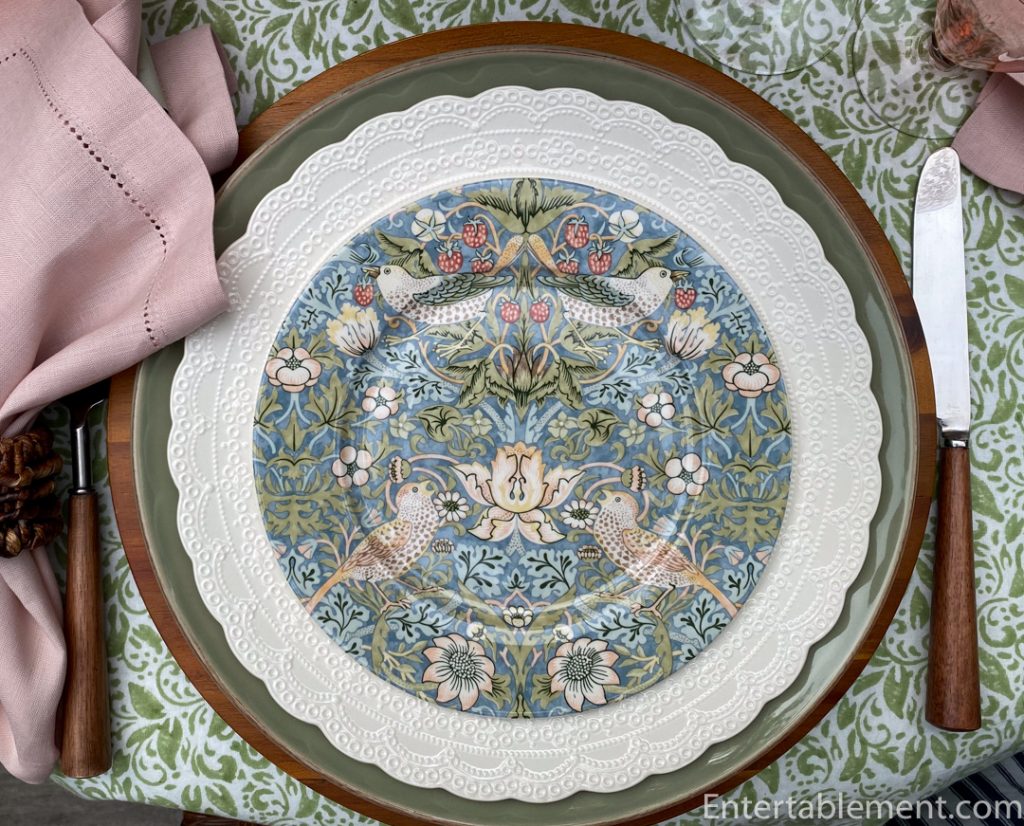
After Josiah Spode died in 1797, his son Josiah Spode II carried the business forward, expanding its reach. However, by the late 20th century, as Britain’s pottery industry struggled with global competition, Spode faced financial difficulties. In 2009, the brand was acquired by the Portmeirion Group, which has since revived Spode’s classic patterns and maintained production in Stoke-on-Trent for its high-end pieces. It continues to create popular patterns, refreshing much-loved pieces for today’s market.
A Legacy Set in Porcelain
Spode’s genius lay in his ability to blend art, science, and commerce. He transformed the world of ceramics and ensured that fine tableware was no longer the privilege of the aristocracy alone. His innovations continue to grace dining tables centuries after his time, a testament to his lasting influence on British craftsmanship and industrial design.
Enjoyed this post? Discover more stories in our Makers Behind the Magic series—featuring Wedgwood, Portmeirion, and other iconic innovators.


