
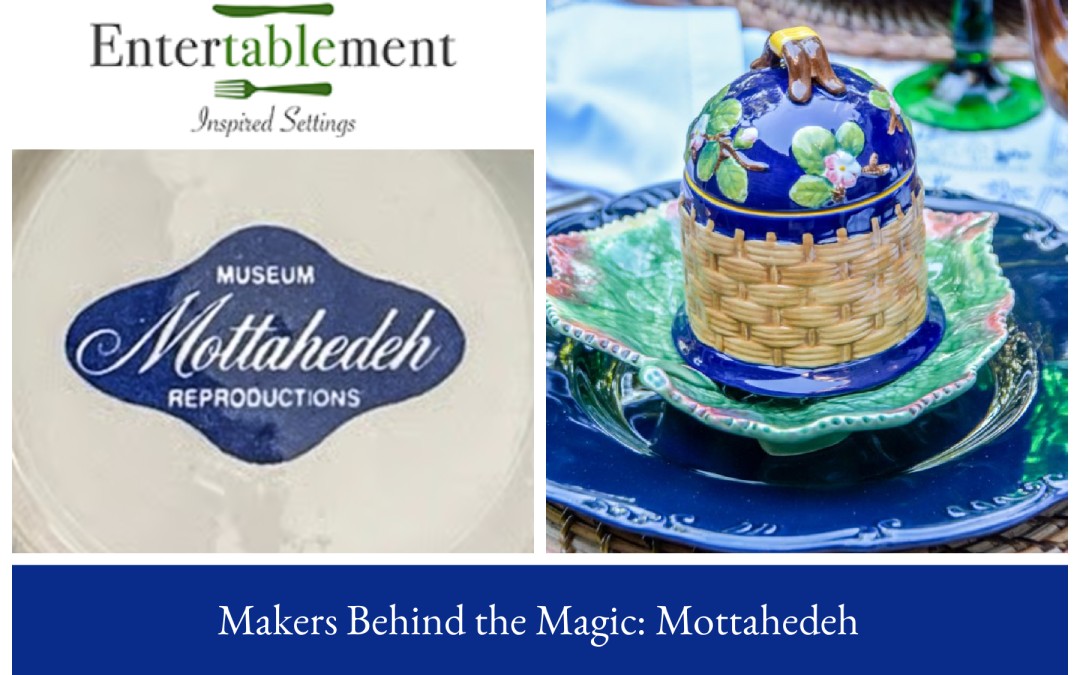
A Tapestry of Two Worlds
Let’s begin far from the world of candlelit dinners and spring brunches. Picture this: it’s 1925, and a young Persian man named Rafi Y. Mottahedeh has just arrived in New York City with little more than a suitcase and a dream. He’d grown up in Kashan, a city known for its rich culture and tradition of craftsmanship, but his family’s business had collapsed. New York was a new chapter.
Chance favoured our new immigrant in the form of Mildred Wurtzel, a savvy interior designer with a keen eye for global design. They married in 1929 and built a business around their shared love for beautiful objects, starting with imported antiquities. When the market shifted during WWII, they got creative. That’s when Mottahedeh & Company really came into its own.
The Art of Authentic Reproduction
In the 1950s the couple began producing their own porcelain reproductions from original antiques. They sourced artisans across Europe and Asia who could faithfully recreate 18th-century pieces, from Chinese export wares to European court porcelain. Museum-quality, historically accurate, painstakingly researched pieces that looked like they belonged behind glass but were meant to be used.
Mildred was the design engine, traveling the globe and visiting dozens of factories each year to ensure everything met her standards. Rafi kept things running behind the scenes. They complemented each other beautifully. Their designs—like Tobacco Leaf and Blue Canton—quickly became classics.
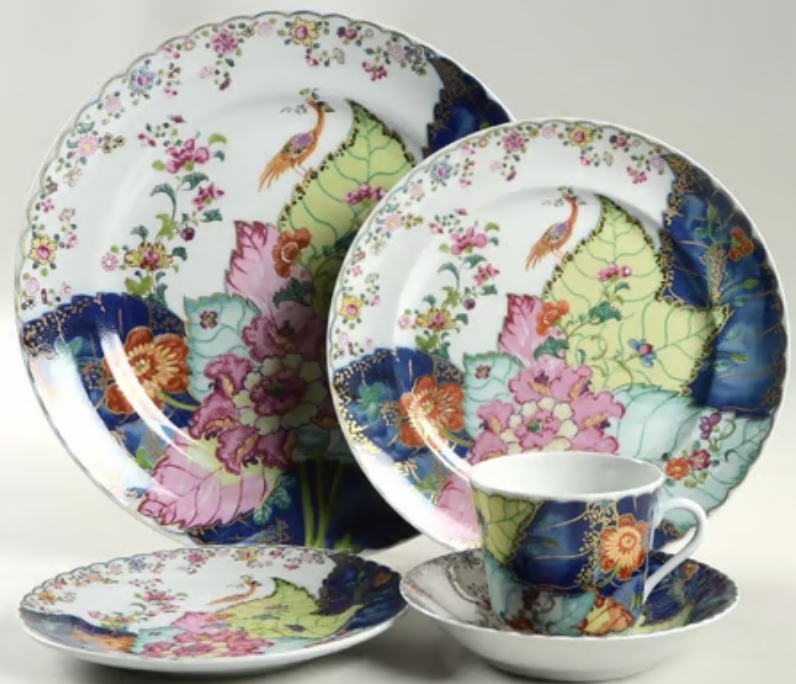
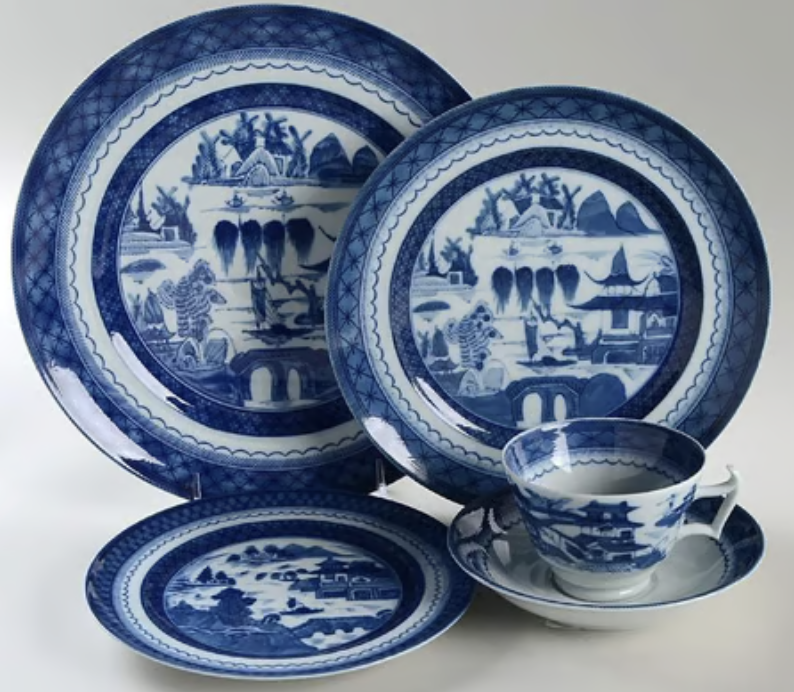
When challenged by purists, Mildred once quipped, “Do you only read first editions, then?”
Mottahedeh’s reach has been tremendous. Their designs have been featured in institutions and estates around the world from White House tables to U.S. embassies around the world. Talk about high-profile dining.
Democratizing Elegance
Mottahedeh wasn’t just about preserving history. Mildred believed that beauty shouldn’t be exclusive. Why shouldn’t you have a little piece of museum-worthy design at your own table? Her philosophy was simple: let people live with art. She backed that up by making sure the pieces were not just pretty, but practical. Think dishwasher-safe porcelain with timeless style. No wonder generations of collectors (myself included) fell head over heels.
A Legacy of Beauty and Purpose
After Rafi passed away in 1978, Mildred continued to lead the company with her trademark mix of intellect and passion. In 1992, she handed the reins to Grant and Wendy Kvalheim. Wendy, an artist and sculptor in her own right, carried the design legacy forward with fresh energy.
Mildred was more than a porcelain powerhouse. She was also a humanitarian involved in the Bahá’í Faith and the United Nations, helping launch development programs in places like India and Uganda. Her work left an impact far beyond the world of tabletop design.
A Collector’s Delight: Birds, Blossoms & Brunch
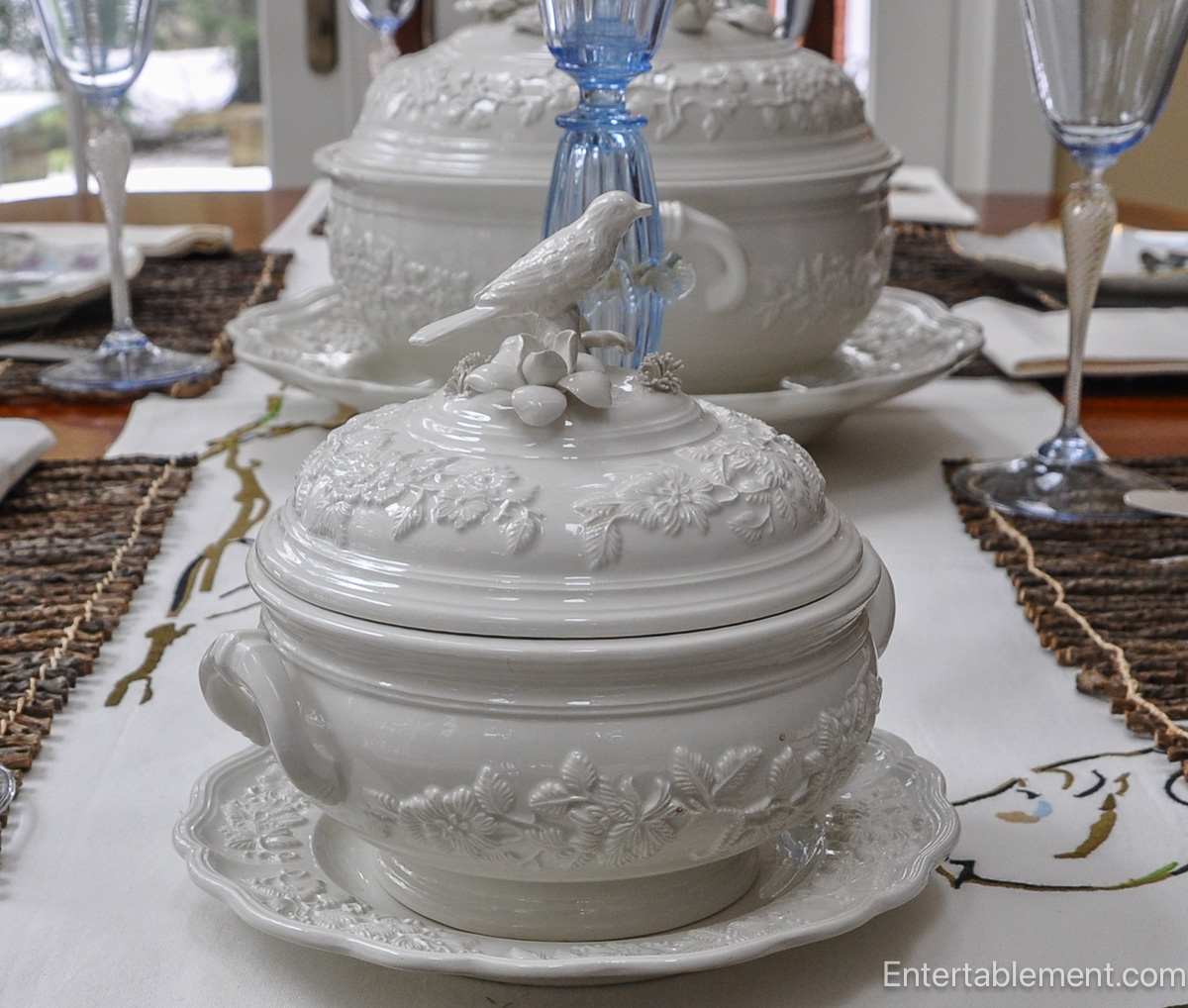
Onto one of my favourite Mottahedeh patterns, these Musee Des Arts soup tureens featuring flora and birds. Can you believe the detail? Look at those tiny twigs. I picked them up years ago after seeing a similar design in At Home with Carolyne Roehm. She used them in a Mother’s Day brunch, surrounded by lily of the valley and set against the softest spring backdrop. Though Google was in its infancy, it somehow coughed up a supplier in my search for “museum gift shop white porcelain tureen”.
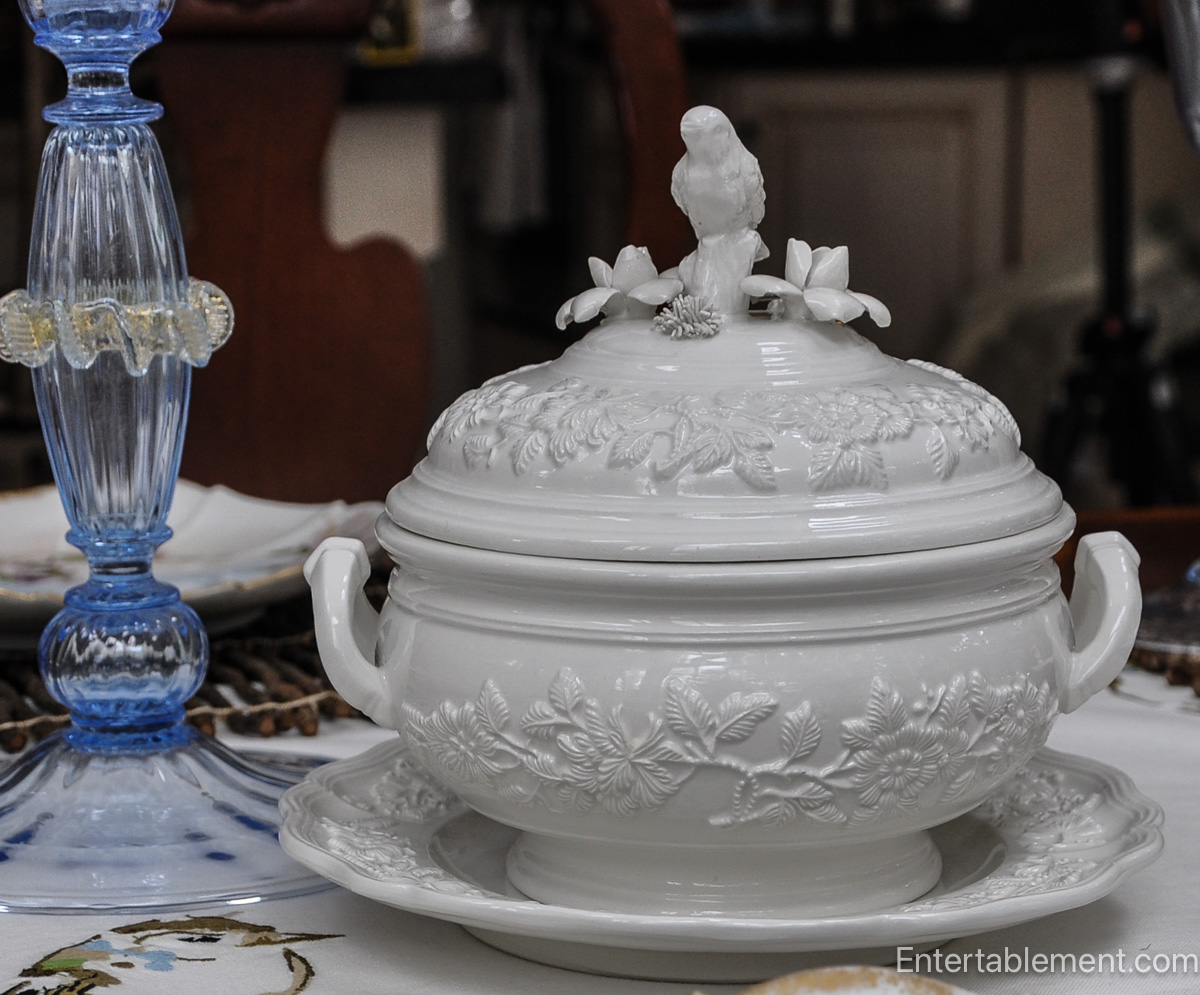
So here they are, on a robin’s nest runner with antique bird-themed plates and twig placemats. The bird finials and delicate floral relief feel like they just flew in from an 18th-century garden. You can see the full post here at Birds of a Feather.
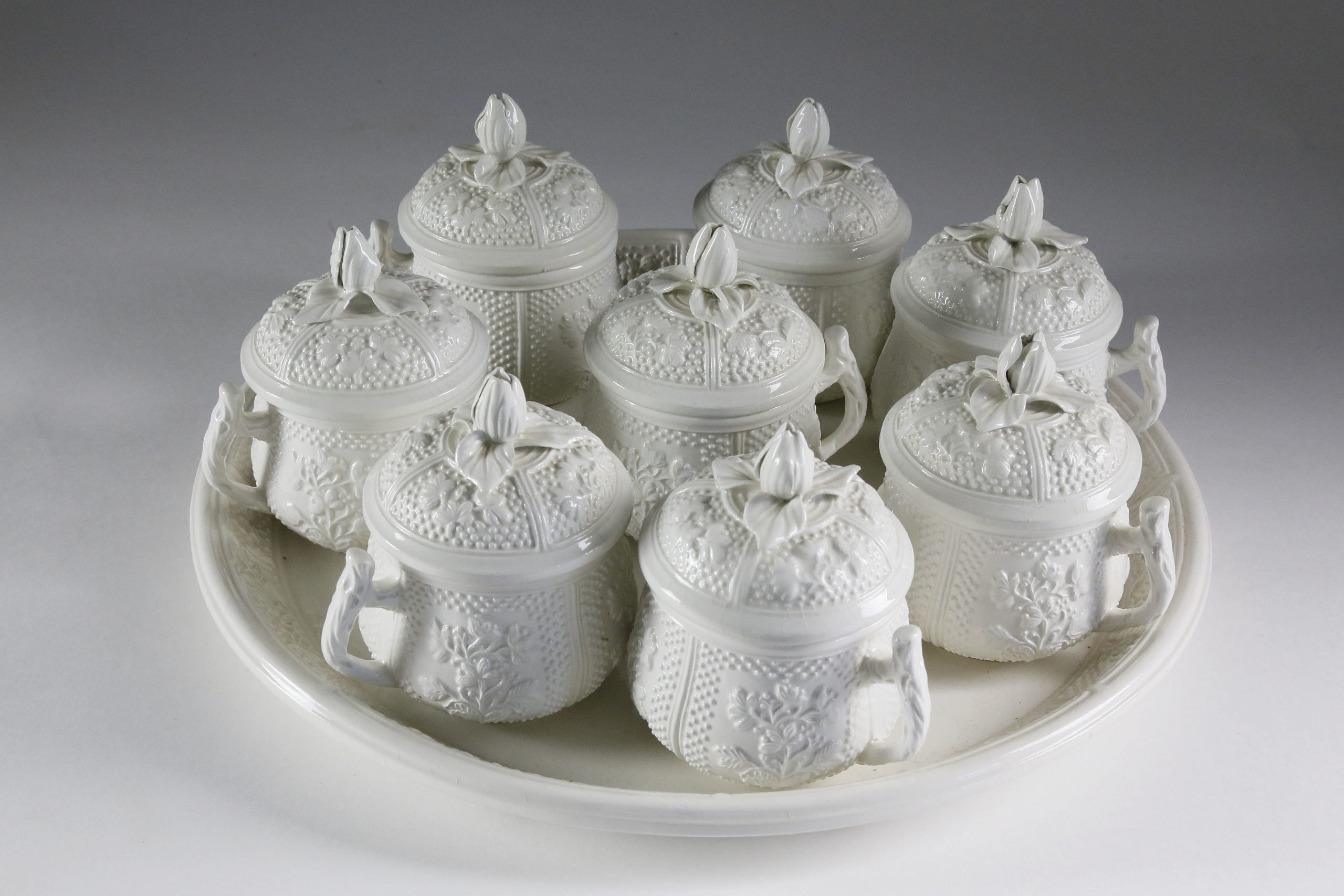
I also have a set of tiny pots de crème from the same series—this time adorned with a rose blossom finial; they are a miniature version of the soup tureens Roehm used for her Mother’s Day brunch. I use them to serve chocolate pot de creme, a great family favourite at Christmastime.
Though I don’t own any, I’m coveting the Duke of Gloucester four piece set of dessert plates — the gorgeous fruit and the delicate aqua rim. Happy sigh.

Duke of Gloucester
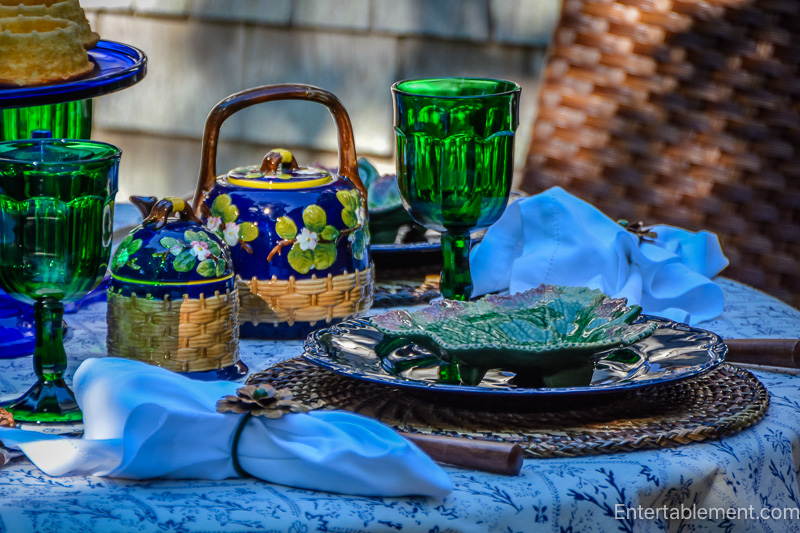
Most recently, I featured their Cobalt Blossom pattern here.
Why Mottahedeh Matters
- Museum-quality craftsmanship: Because who doesn’t want to serve soup in something Smithsonian-worthy?
- Timeless design: They strike a perfect balance between old-world elegance and modern sensibility.
- Collectible integrity: These aren’t trendy pieces. They’re heirlooms-in-the-making.
- Creative stewardship: From Mildred to Wendy, it’s a story of strong, visionary women making beautiful things.
What sets Mottahedeh apart is their fidelity to history and tradition without feeling fussy. You don’t need a museum setting or palace banquet to use them. Whether paired with rattan and bakelite or formal silver and crystal, Mottahedeh blends the everyday with something enduring.


