
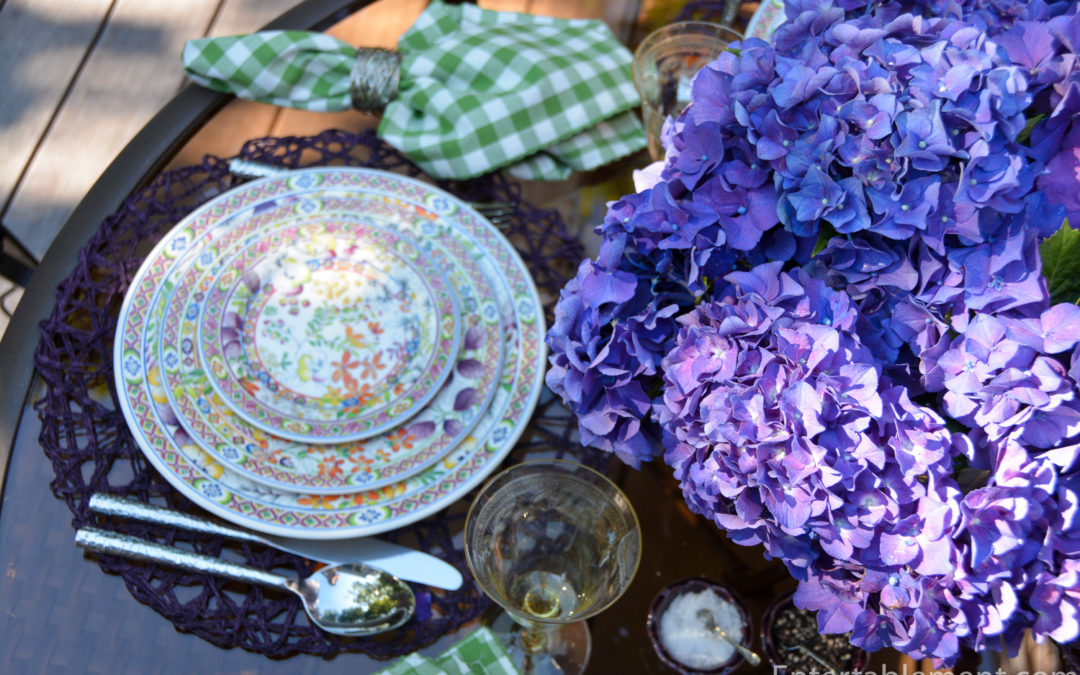
To hold a plate of Gien faience is to hold a little piece of the French countryside—romantic, artful, and deeply rooted in tradition. The Faïencerie de Gien has been celebrated for its luminous glazes, hand-painted charm, and unmistakably French style for nearly two centuries. Its wares are both decorative and functional, bridging rustic provincial life with sophisticated design.
Born on the Loire
Founded in 1821 by Englishman Thomas Hall, Gien was established in the town of the same name along the banks of the Loire River. Hall brought with him English industrial techniques, but applied them to create something distinctly French: faience fine. The goal was to produce high-quality earthenware that retained the beauty of traditional handwork while offering it on a broader scale.
A Style All Its Own
Gien faience stands apart from both British transferware and German porcelain. Its signature elements include:
- Lush hand-painted motifs: floral bouquets, game birds, and country scenes.
- Strong colours: deep blues, ochres, olives, and terracottas that evoke the French landscape.
- Layered glazes that give each piece a slightly varied, artisanal look.
- Gien’s patterns often feel like pastoral paintings—intimate, lively, and grounded in place.
Iconic Collections
Some of Gien’s most beloved series include:
- Oiseau Bleu: A classic blue-and-white pattern inspired by 19th-century engravings.
- Bagatelle: An exquisite composition of geometric patterns and colourful flora, inspired by the Bagatelle Gardens in Paris.
- Châteaux de la Loire: Celebrating France’s regal heritage with intricate heraldic designs.
These patterns can be layered across seasons and mixed with modern glassware or antique silver for an effortlessly elegant effect.
A Table with Soul
Many of the Gien pieces featured on Entertablement come from my personal collection—gathered over the years and often tied to travel memories. I purchased the Châteaux de la Loire plates while visiting the Loire Valley châteaux, where Gien’s artistry felt especially resonant.
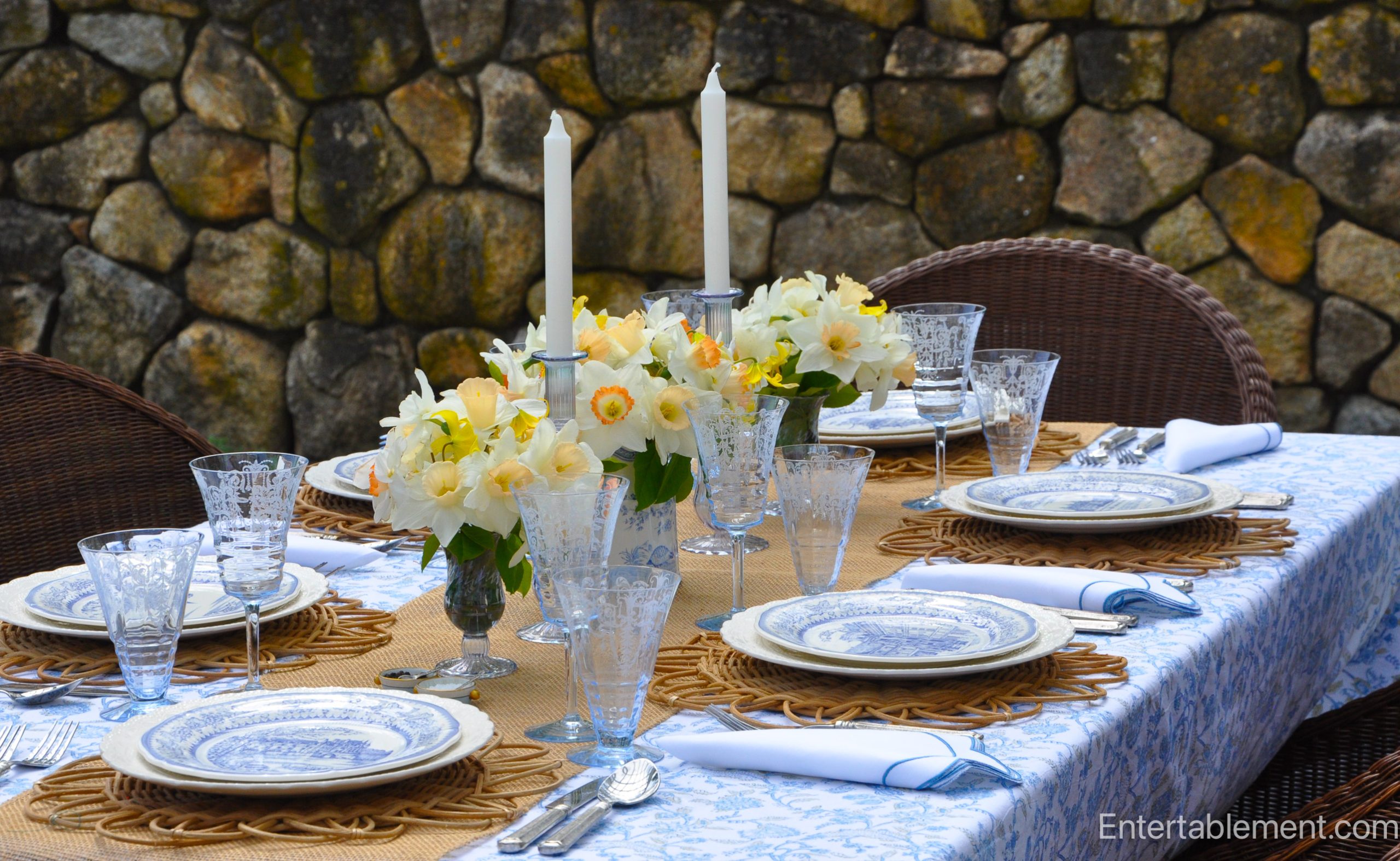
Other beloved patterns in my collection include:

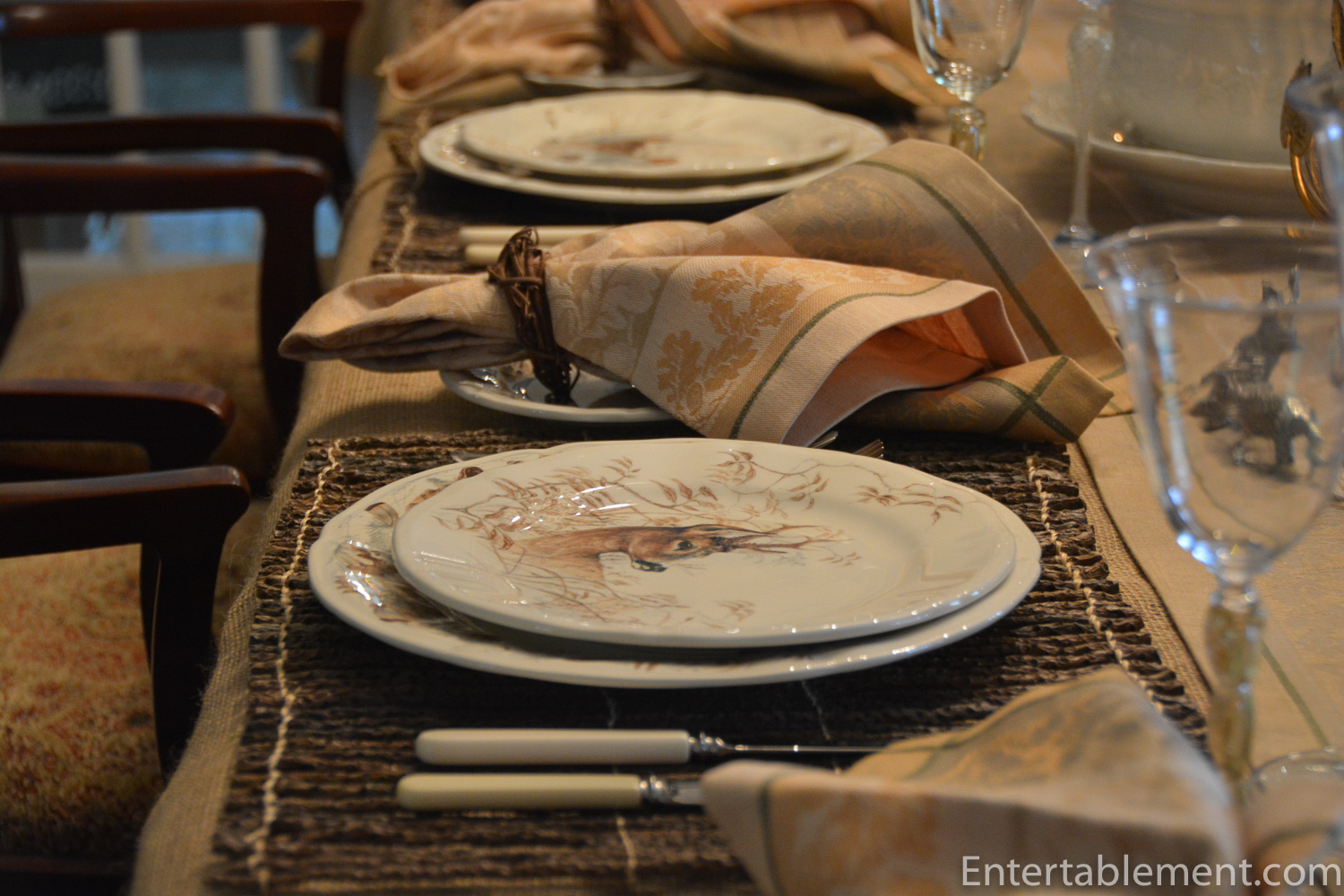
Sologne
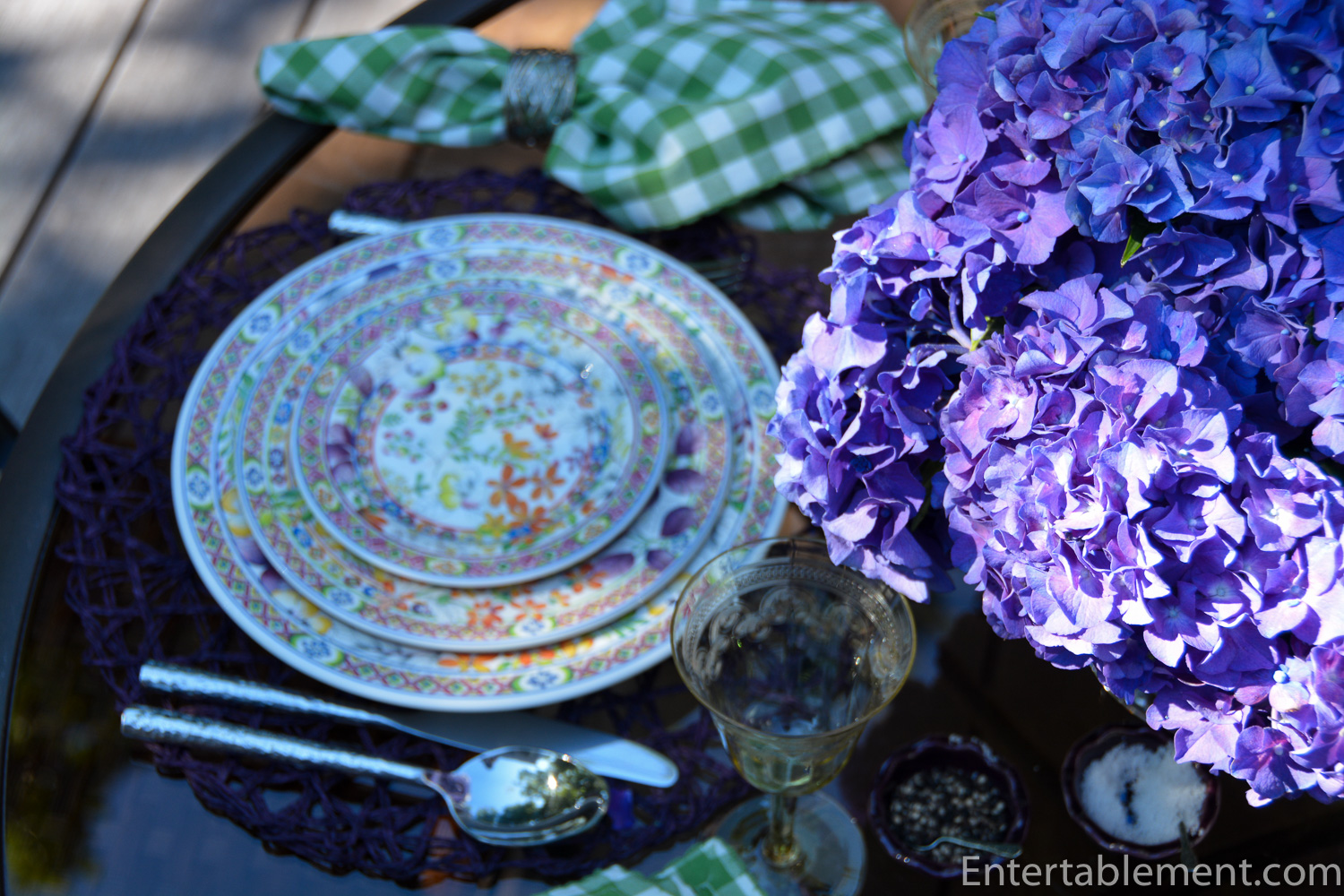
Bagatelle
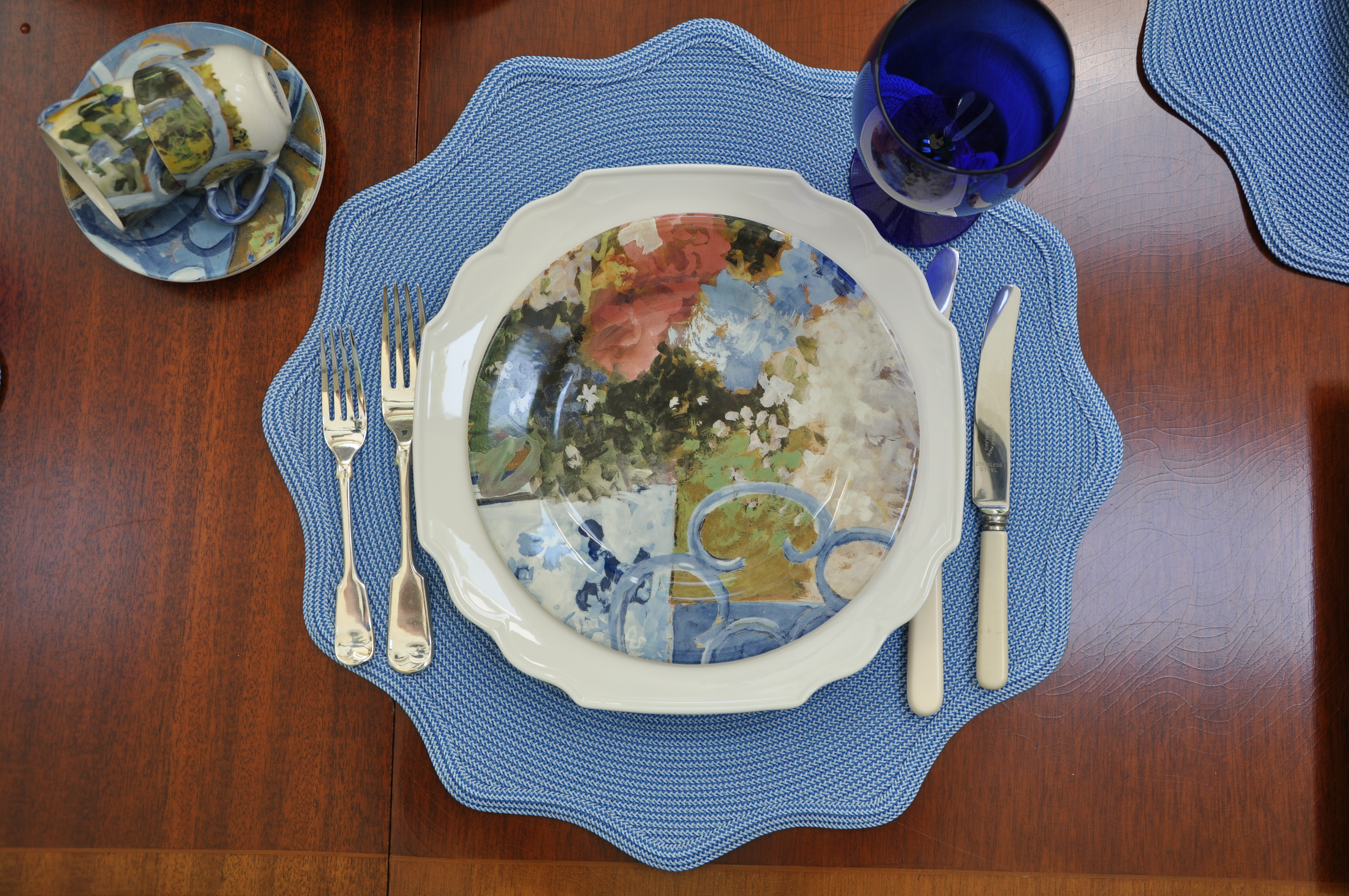
Chaise Bleu by Gien
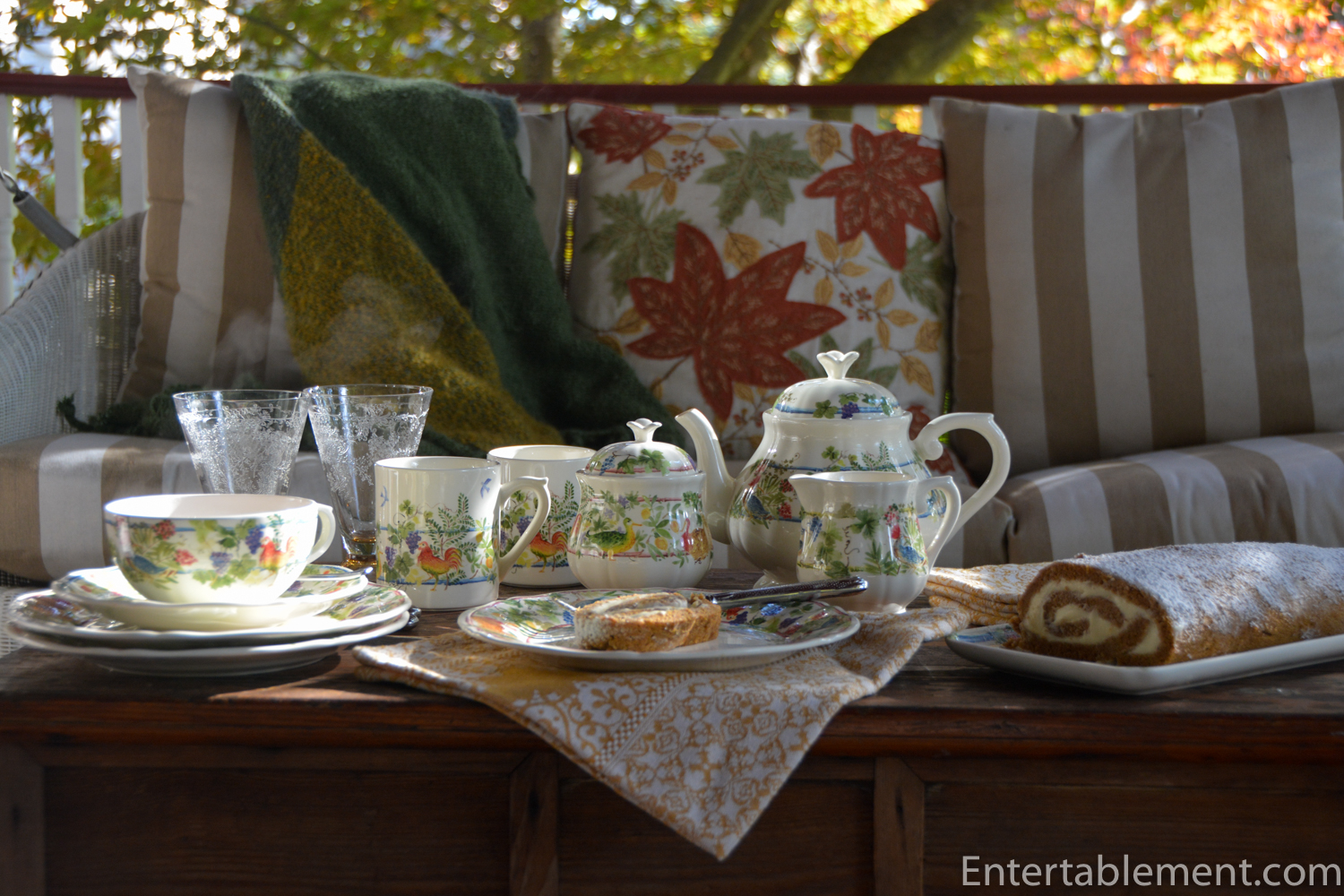
Villa de Medicis
Each brings its own seasonal palette and provincial charm to the table, and I love mixing them to suit the occasion.
What makes Gien so enduring is its humanity. Each piece feels crafted rather than produced—a celebration of the artisan’s hand, the rhythm of the seasons, and the joy of a shared meal. Gien is not merely beautiful; it is soulful.
Why Gien Still Matters
Still produced in its original Loire Valley location, Gien continues to innovate while preserving its core identity. It remains a favourite among collectors and stylists for its:
- Hand-finished character
- French provincial storytelling
- Enduring versatility in tablescapes from rustic to refined
Whether gracing a spring garden brunch or anchoring a fall harvest table, Gien adds warmth and authenticity wherever it appears.
Hidden Gems & Regional Editions
While Gien is known for its named collections, the factory has also produced several lesser-known or private commission patterns over the decades. These include promotional wares for wine cooperatives, local festivals, or hospitality venues—often marked with a Gien backstamp alongside a regional name, such as Anjou Vinicole or Vihiers.
These limited or one-off designs can feature exquisite illustrations—from woodland animals to rural scenery—that rival their more famous counterparts. Though not always documented in catalogues, they offer collectors a glimpse into Gien’s adaptability and artistic breadth.
Keep an eye out. The most charming Gien pieces may be the ones without a name—just a scene, a story, and the mark of a hand that painted it.


