
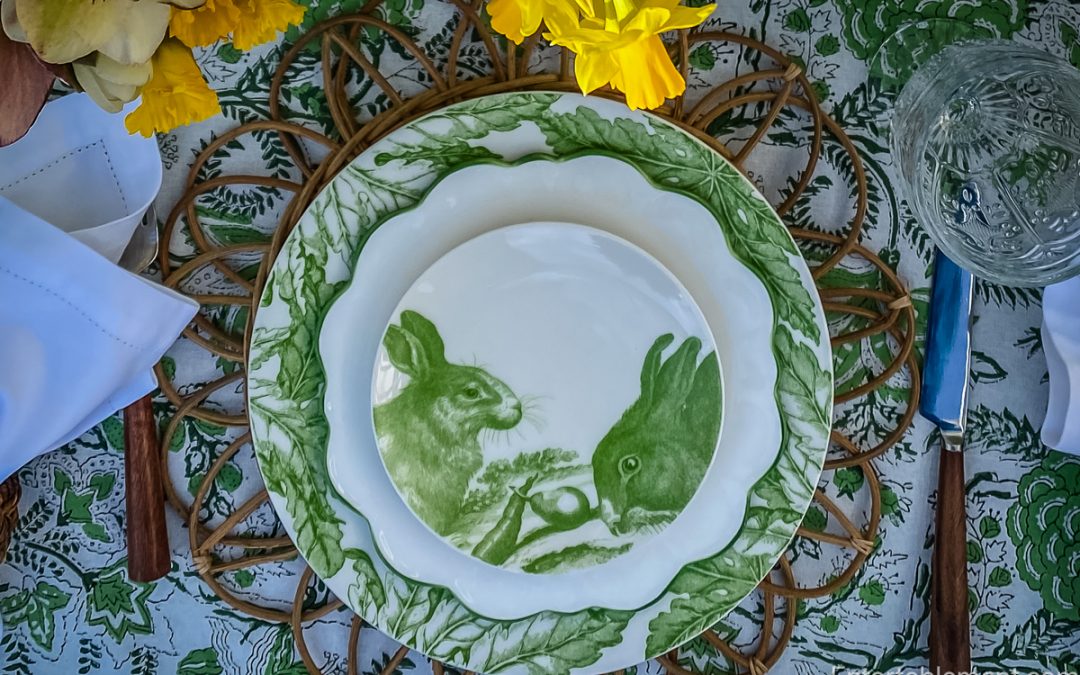
Some pieces feel as though they have always existed — as though they belong to a long tradition of the table. Others feel unmistakably of the present. Caskata manages, rather remarkably, to do both at once.
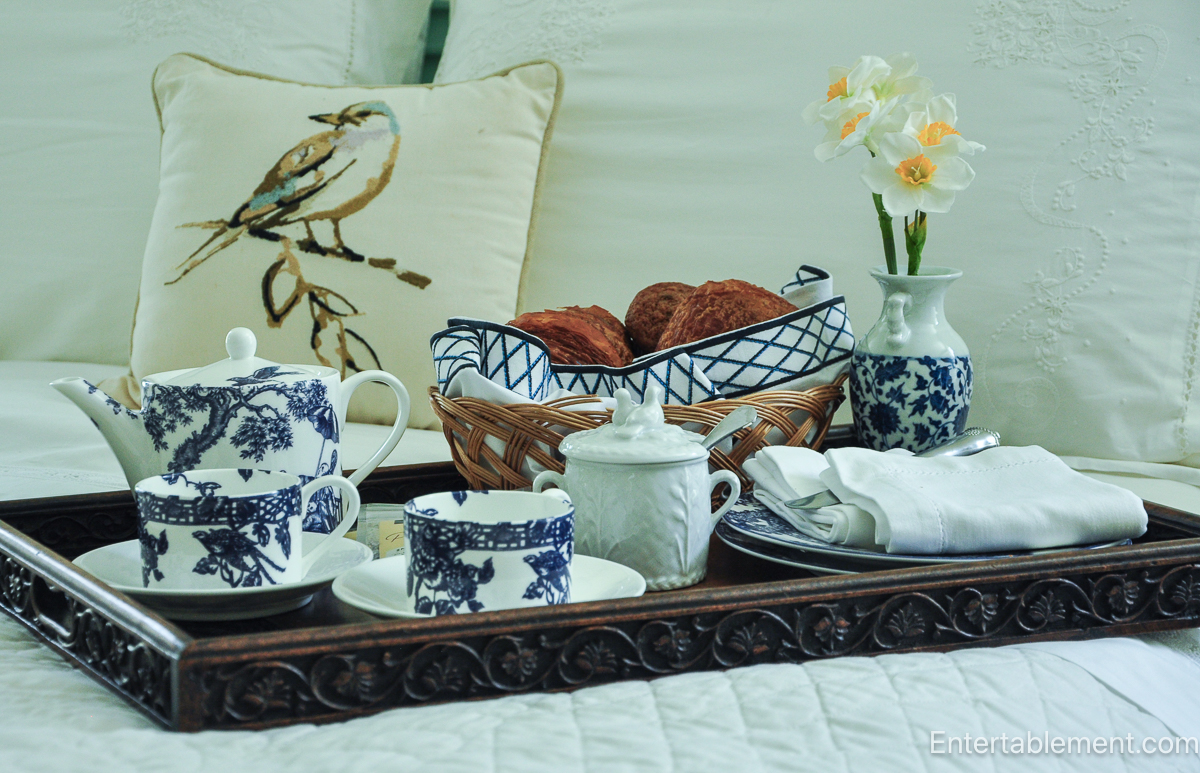
Caskata Toile Tea Set
The Brand
Caskata is a small, woman-owned studio, led by founder Shawn Laughlin. The concept grew from of a simple but surprisingly unmet idea: that dinnerware could be both beautiful enough for special occasions and relaxed enough for everyday use. That balance — between formality and ease — runs through everything they make.
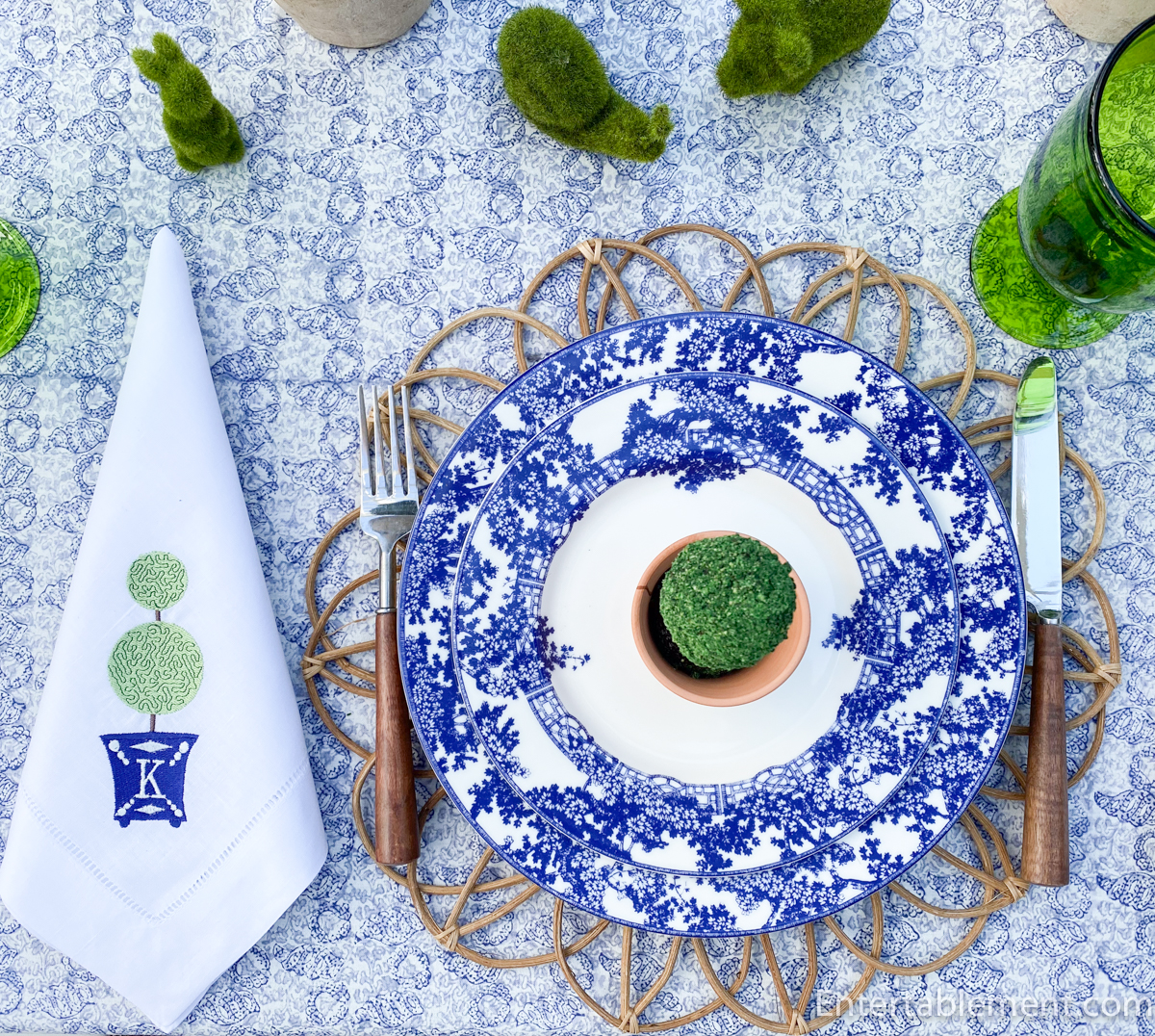
Caskata Toile
Their pieces are produced in small batches, often using high-fired porcelain or bone china, with designs applied by hand and finished in the kiln. The result is work that carries the refinement of traditional tableware, but without any sense of stiffness.
There is, too, a distinctly American sensibility to the brand — rooted in New England, but drawing from a wider visual vocabulary that includes nature, travel, and the quiet rituals of gathering.
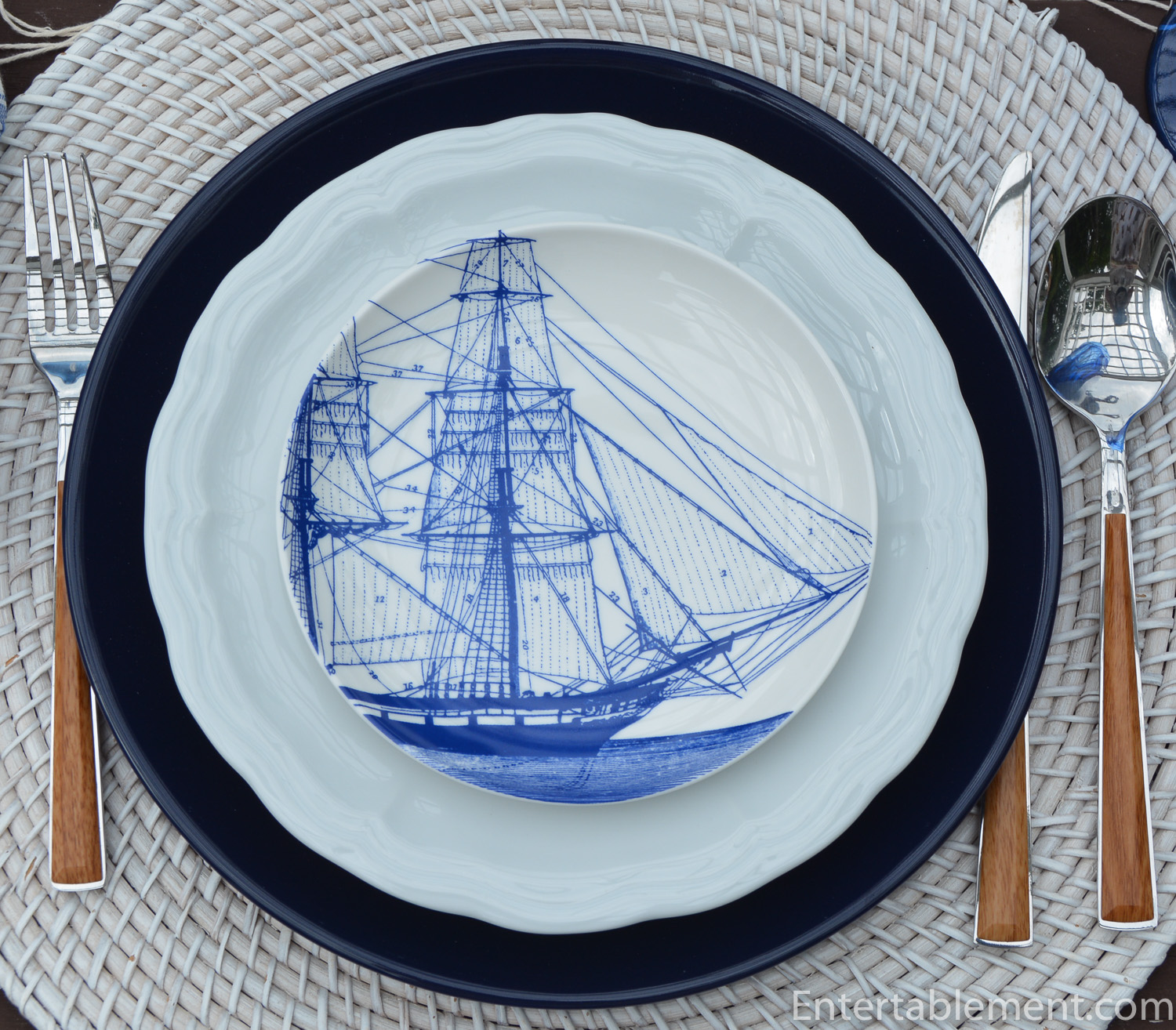
The Aesthetic
What distinguishes Caskata is not simply the quality of the porcelain, but the way it is used as a canvas. Patterns are often spare, sometimes playful, and always intentional. A single motif — a fish, a branch, a rabbit — is given room to breathe.
In the case of the Bunnies Verde plates, each figure is rendered with a kind of quiet precision. They are not decorative in the traditional sense, but observational — as though drawn from life rather than imagination. That restraint is what makes them so adaptable.
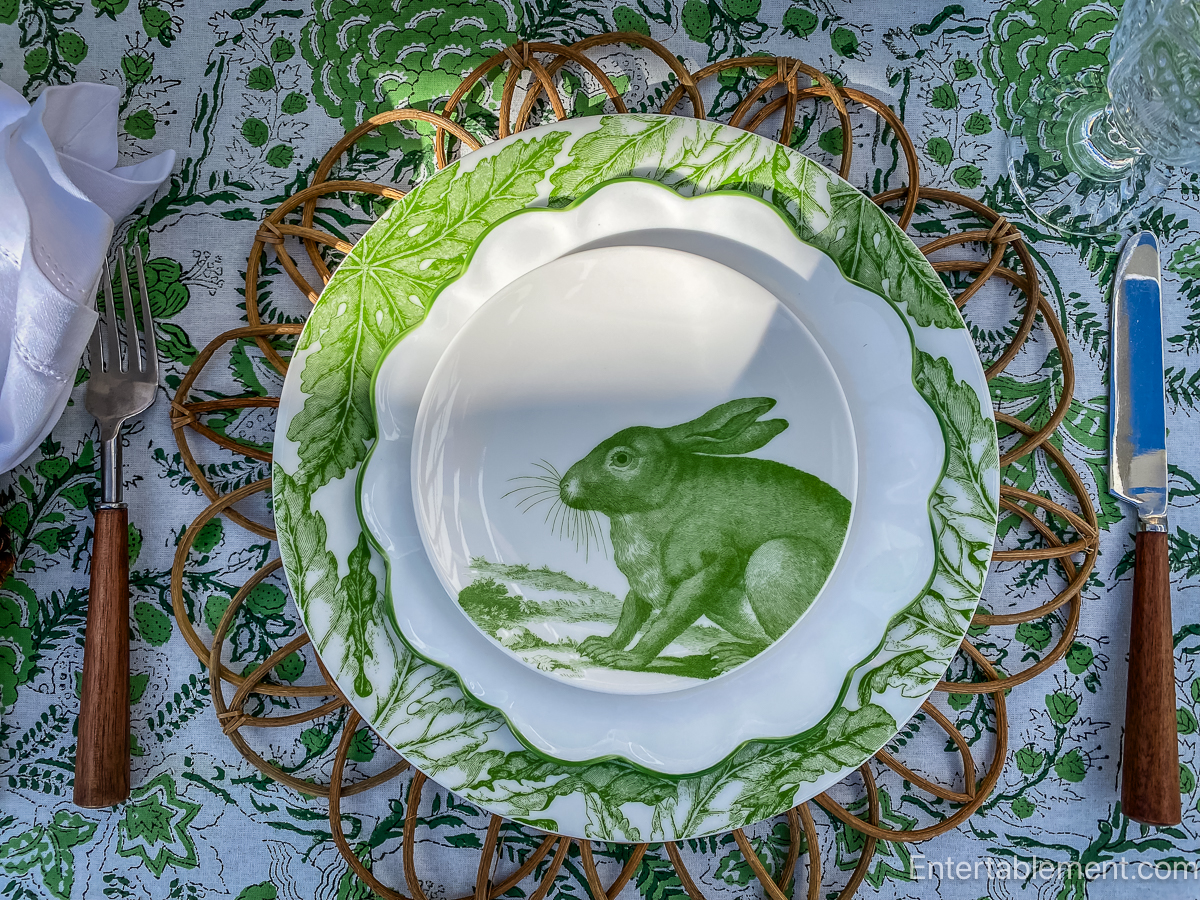
Caskata Bunnies Verde
They can sit comfortably in a more formal setting, but just as easily in something relaxed and seasonal — which is, perhaps, exactly the point.
At the Table
Caskata’s pieces are designed not to dominate a table, but to support it.
They allow other elements — flowers, light, food — to come forward, while still offering moments of interest if you pause to look more closely. It’s a subtle distinction, but an important one.
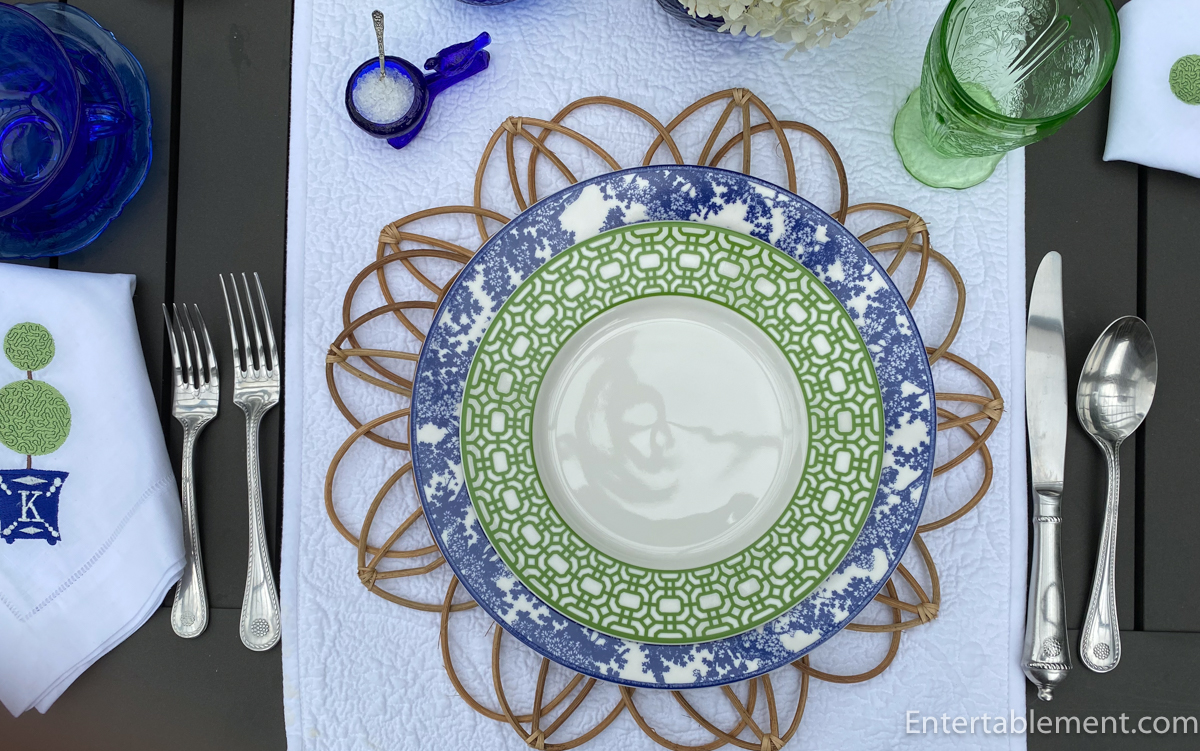
Caskata Newport and Toile
Some tableware asks to be admired. Caskata’s invites you to use it.
A Note on Modern Tradition
There is a long history of nature at the table — from 18th-century botanical porcelain to the richly modelled vegetable forms that collectors still prize today. Caskata feels like a continuation of that tradition, but translated for a different moment.

Where earlier pieces often leaned toward abundance and ornament, these are lighter — more distilled, more graphic. The connection to nature remains, but the expression is quieter.
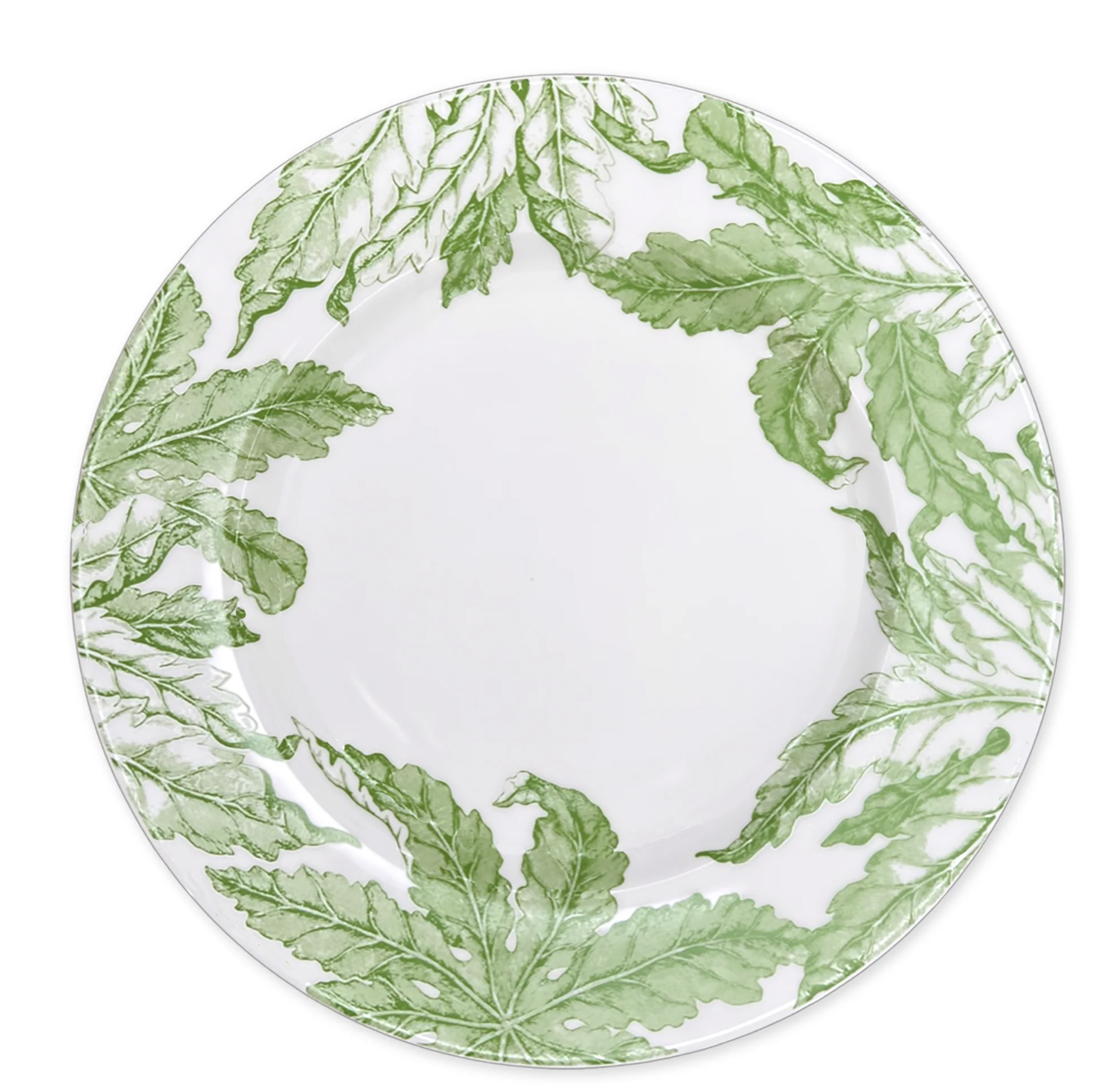
Caskata Freya
In the end, what makes Caskata compelling is not simply how it looks, but how it behaves on the table.
It is thoughtful without being precious, detailed without being overwhelming — and, perhaps most importantly, it leaves room for the person setting the table to bring something of their own.
Which may be the most enduring kind of design.


