

Johnson Brothers made a name for itself not with royal warrants or fine porcelain, but with something just as impactful: tableware that was beautiful, durable, and attainable. In homes across Britain, Canada, and the United States, Johnson Brothers dinnerware defined what it meant to dine with a touch of grace every day.
A Family Business with Big Ambitions
Founded in 1883 in Hanley, Stoke-on-Trent, the company began as a partnership between four brothers: Alfred, Frederick, Henry, and Robert Johnson. Their goal was simple: to produce durable earthenware that looked refined but could stand up to daily use.
They succeeded brilliantly, developing a semi-porcelain body that combined strength with delicacy. By the early 20th century, Johnson Brothers had become one of the largest producers of tableware in the world.
Iconic Patterns: Nostalgia in Porcelain
Johnson Brothers created patterns that sparked emotional connections and built lasting traditions. Among their most cherished designs:
Friendly Village: A pastoral collection depicting rural life in seasonal vignettes, beloved for holiday tables and family gatherings

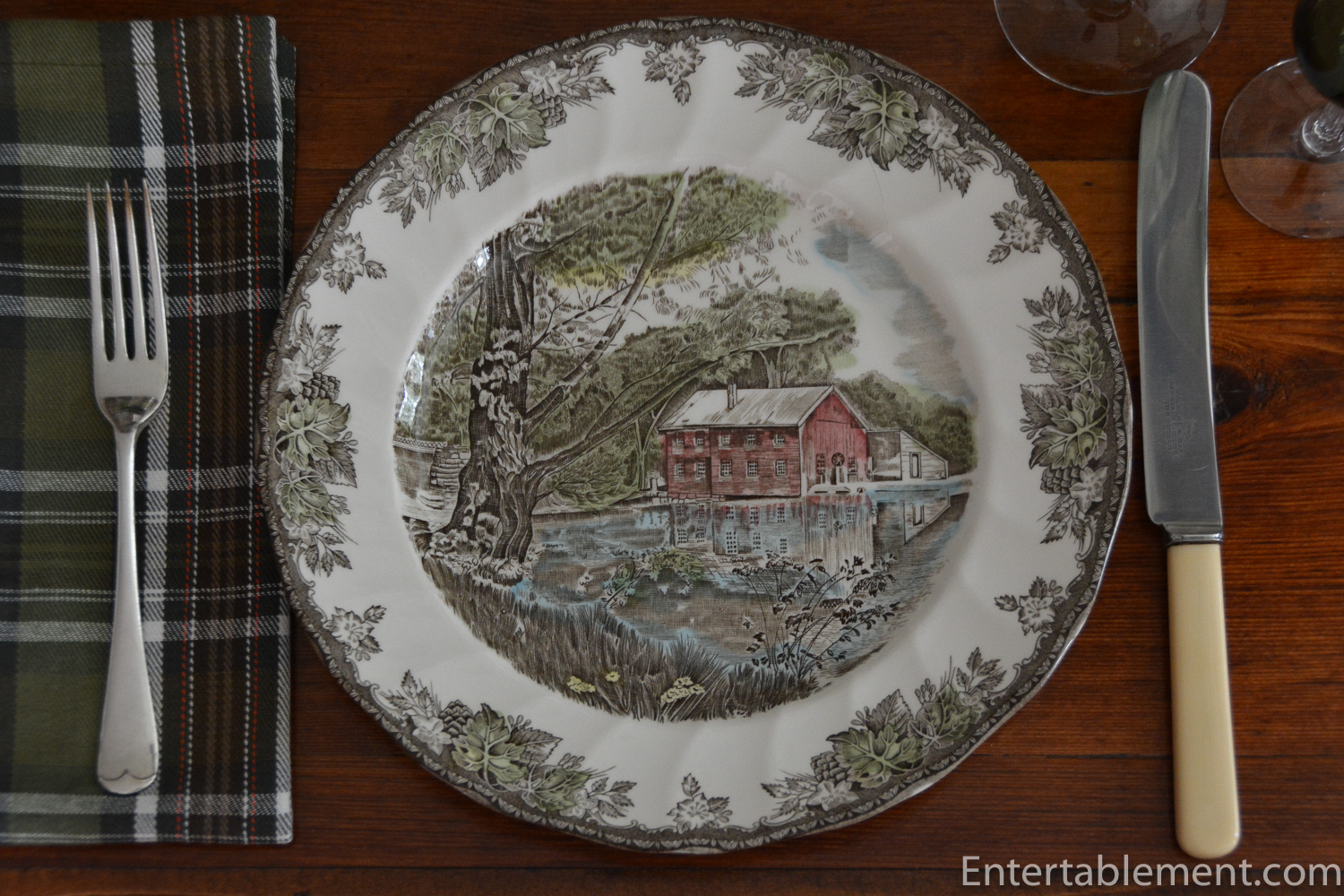
Old Mill
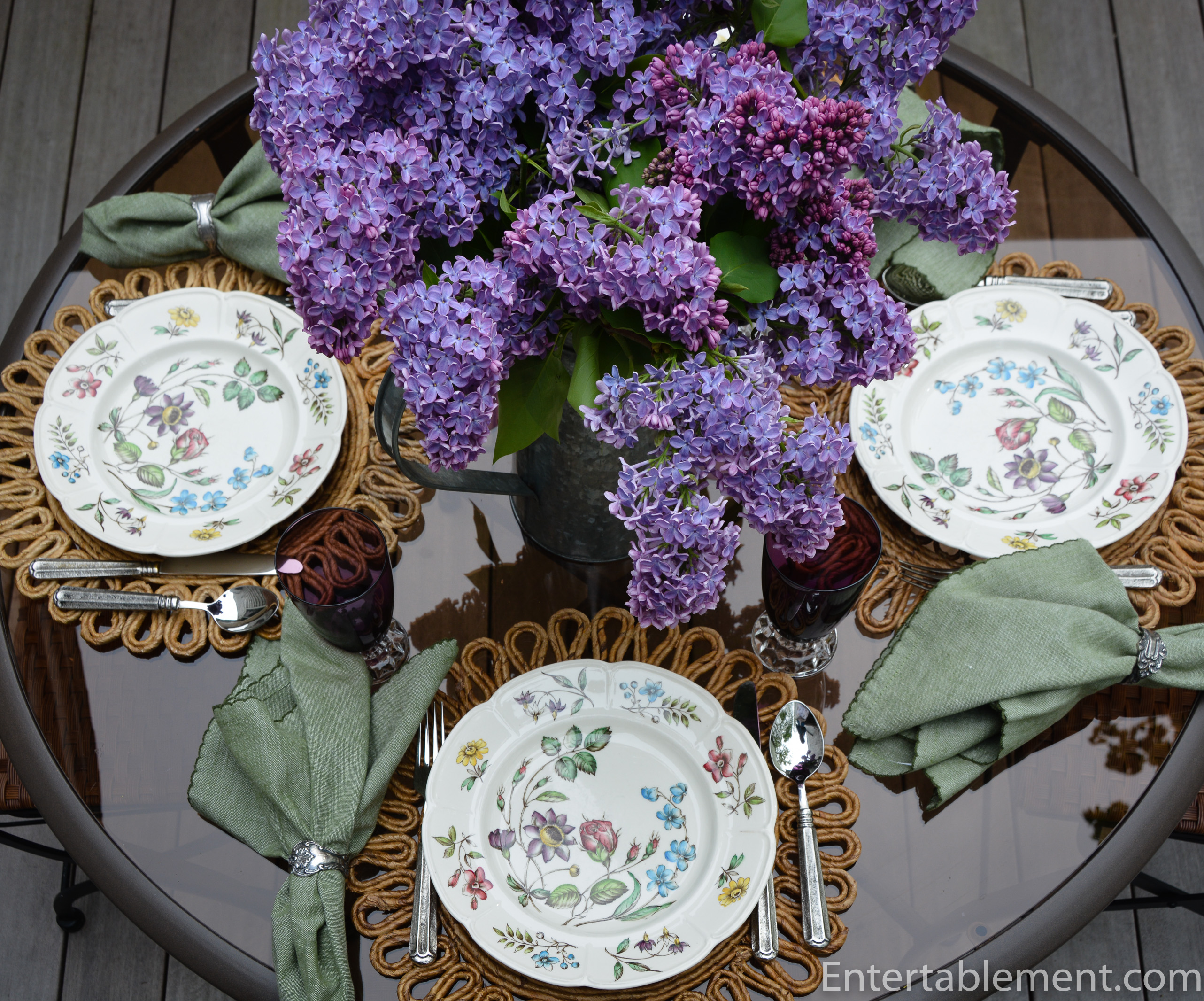
Wakefield: A romantic floral pattern with soft pink roses and trailing green leaves, popular for spring and summer tables.
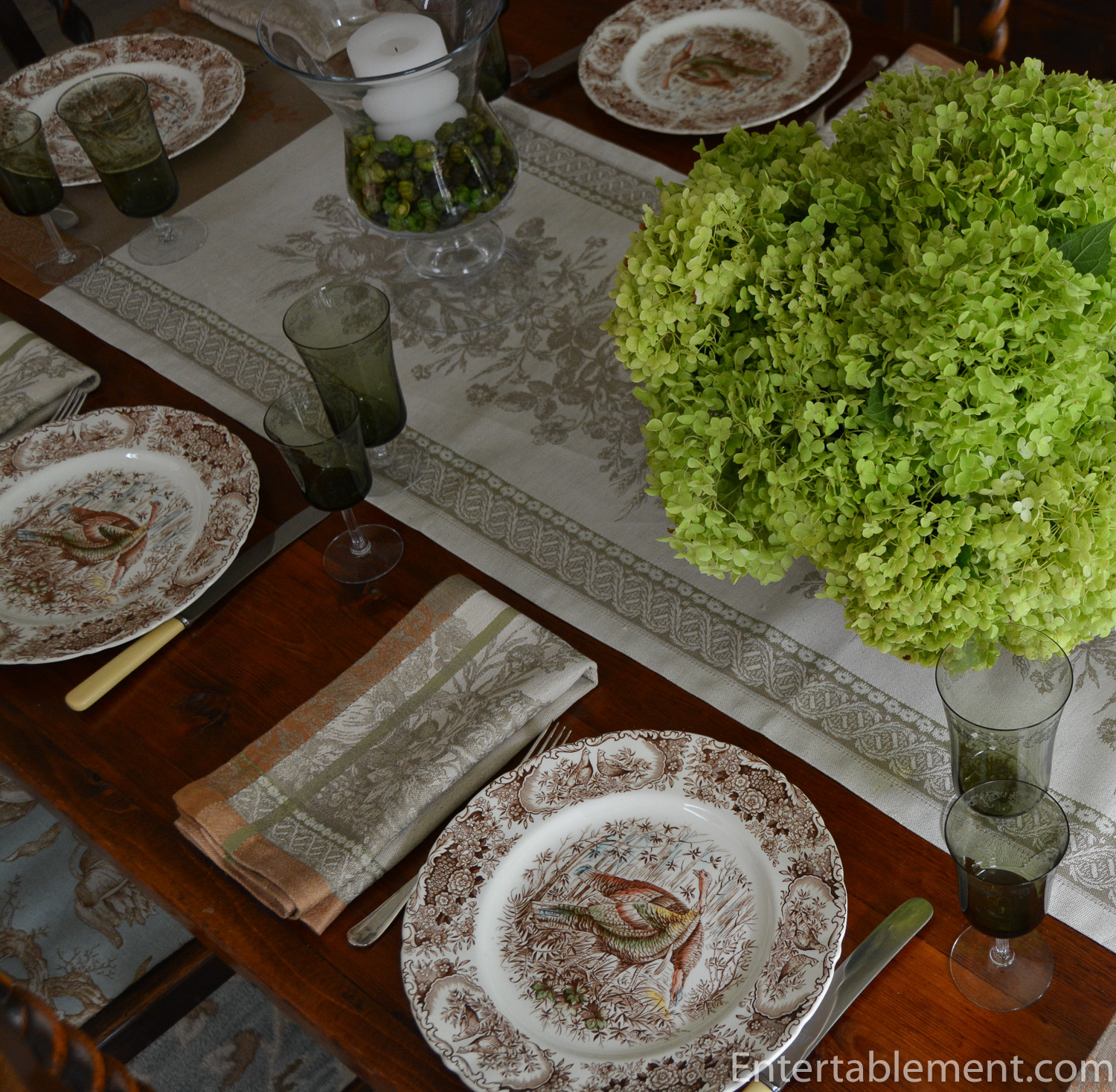
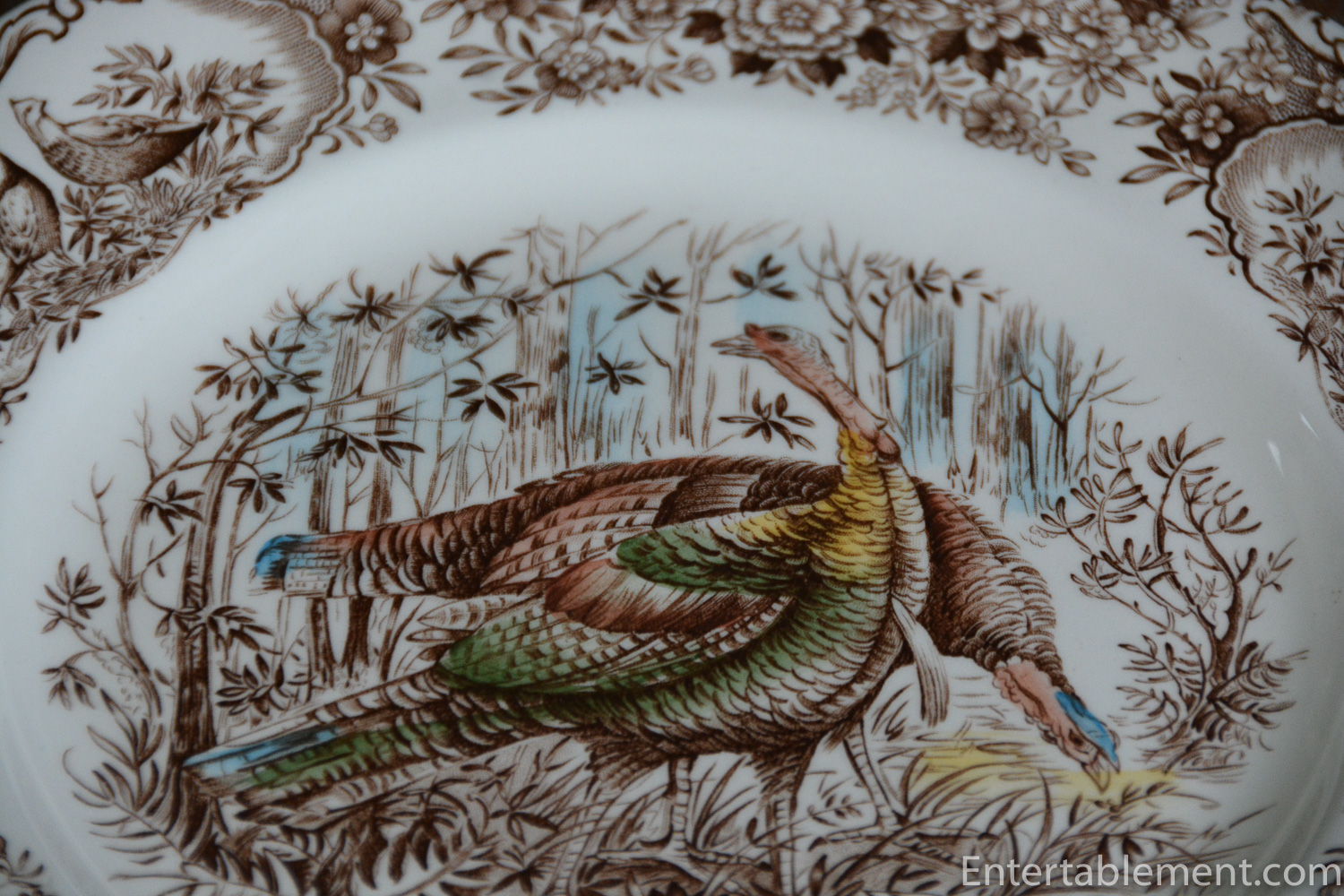
Wild Woodland Turkey: A seasonal favourite in brown and multicoloured transferware, featuring detailed depictions of turkeys and fall foliage—often a Thanksgiving staple.
Game Bird Plates: A series showcasing pheasants, quail, and grouse in rich natural settings, framed with scrollwork or leaves—ideal for autumn and sporting-themed tables.
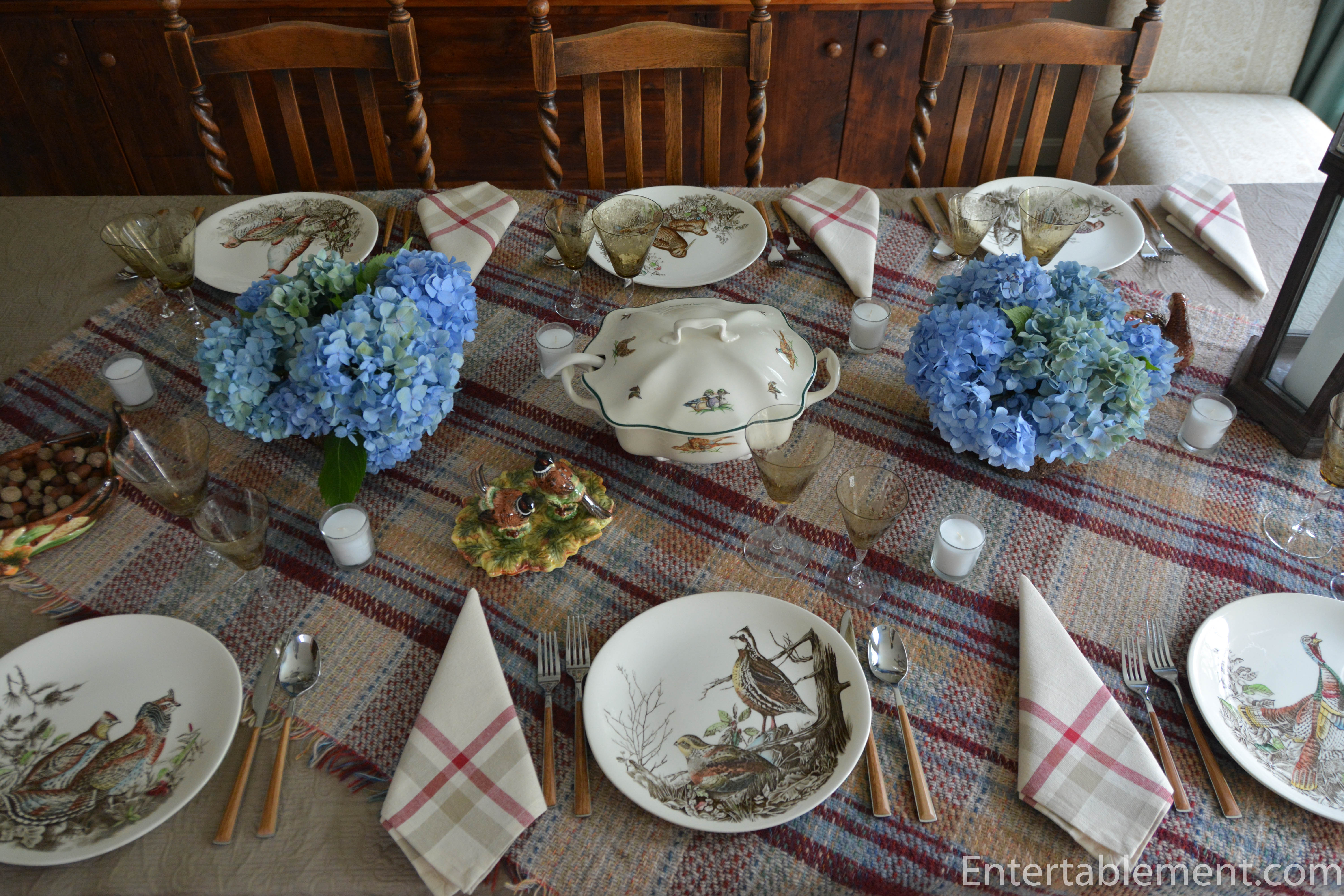
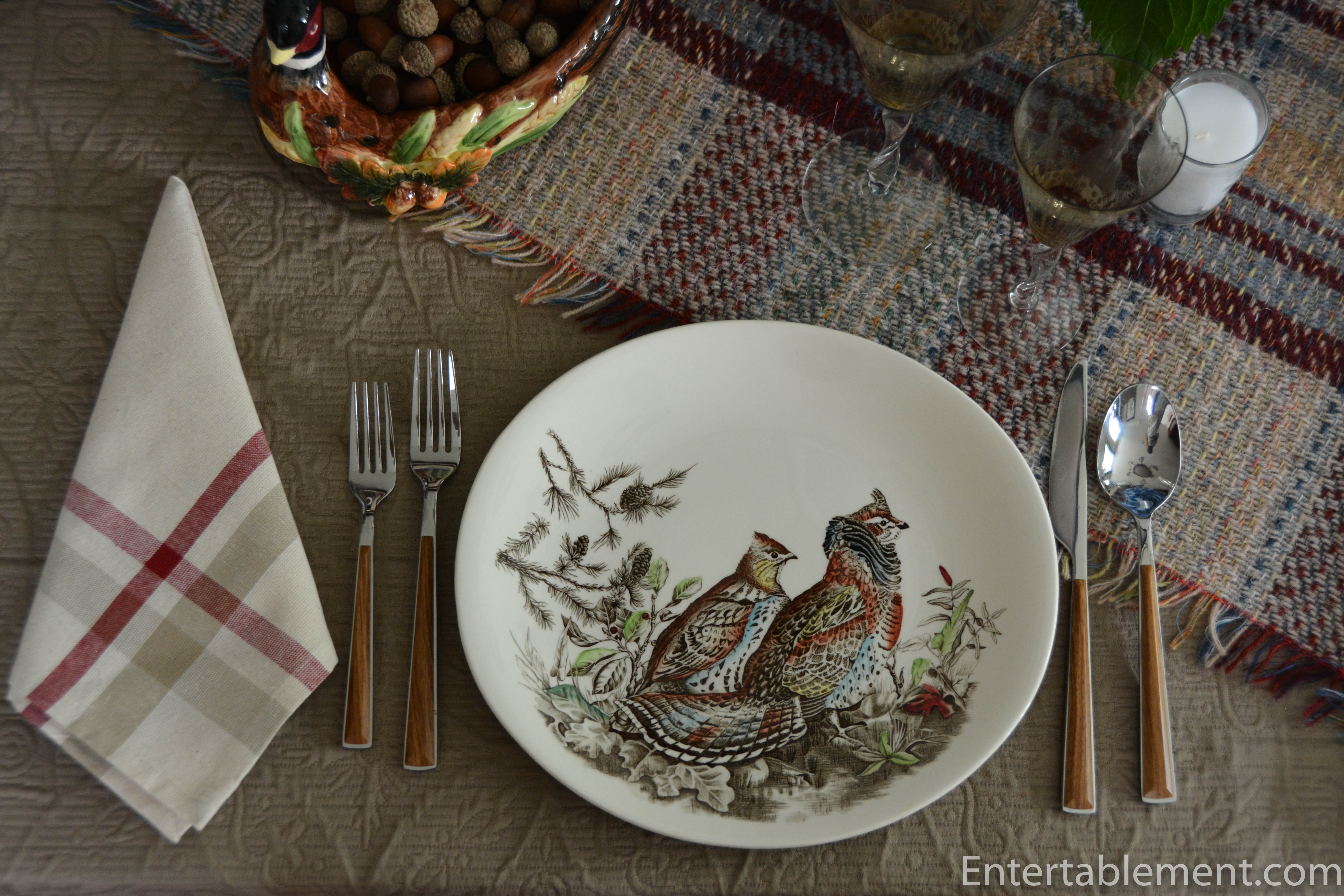
Ruffled Grouse
Apple Blossom: A fresh, floral pattern with pink and white apple blossoms on trailing branches, evoking orchard charm.
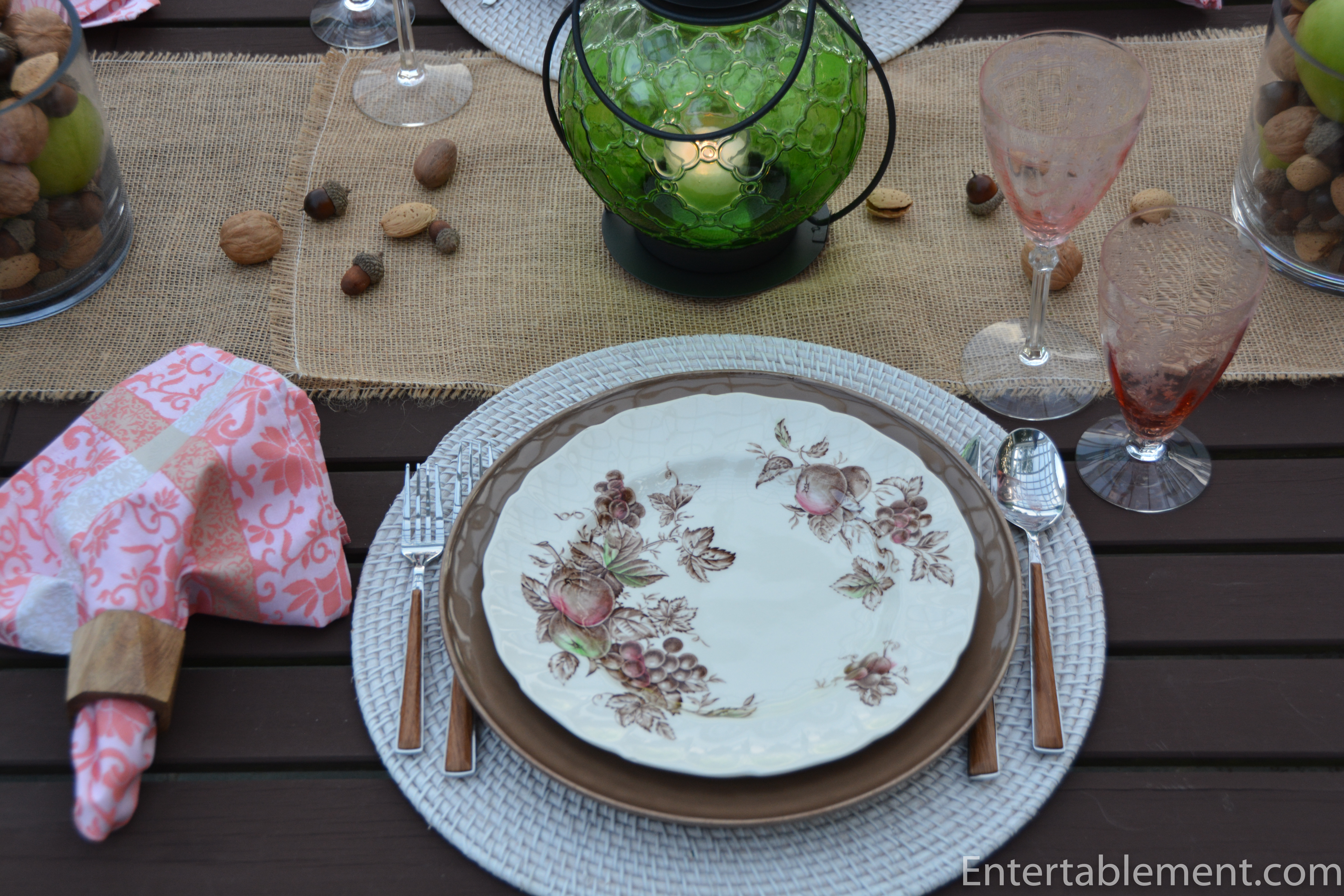
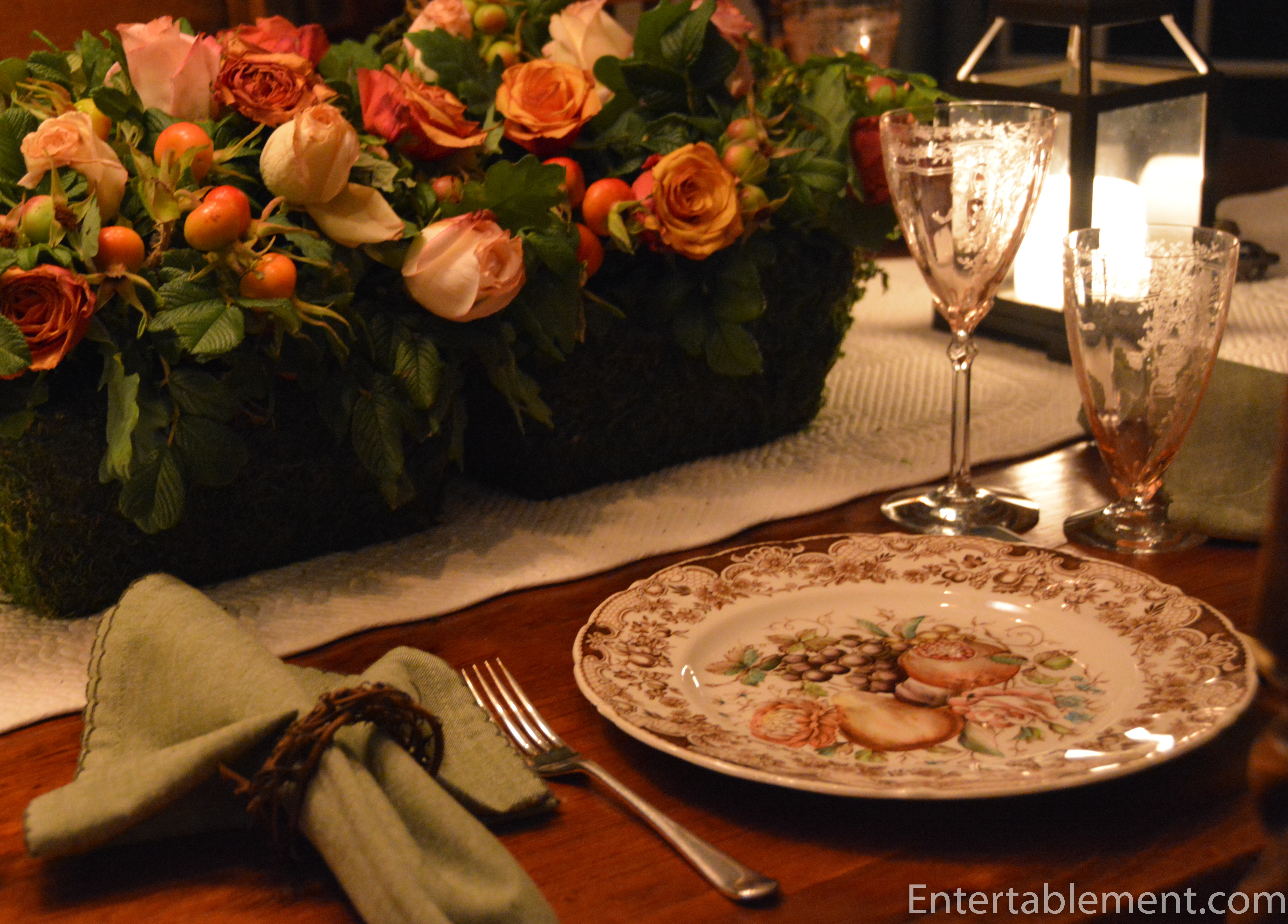
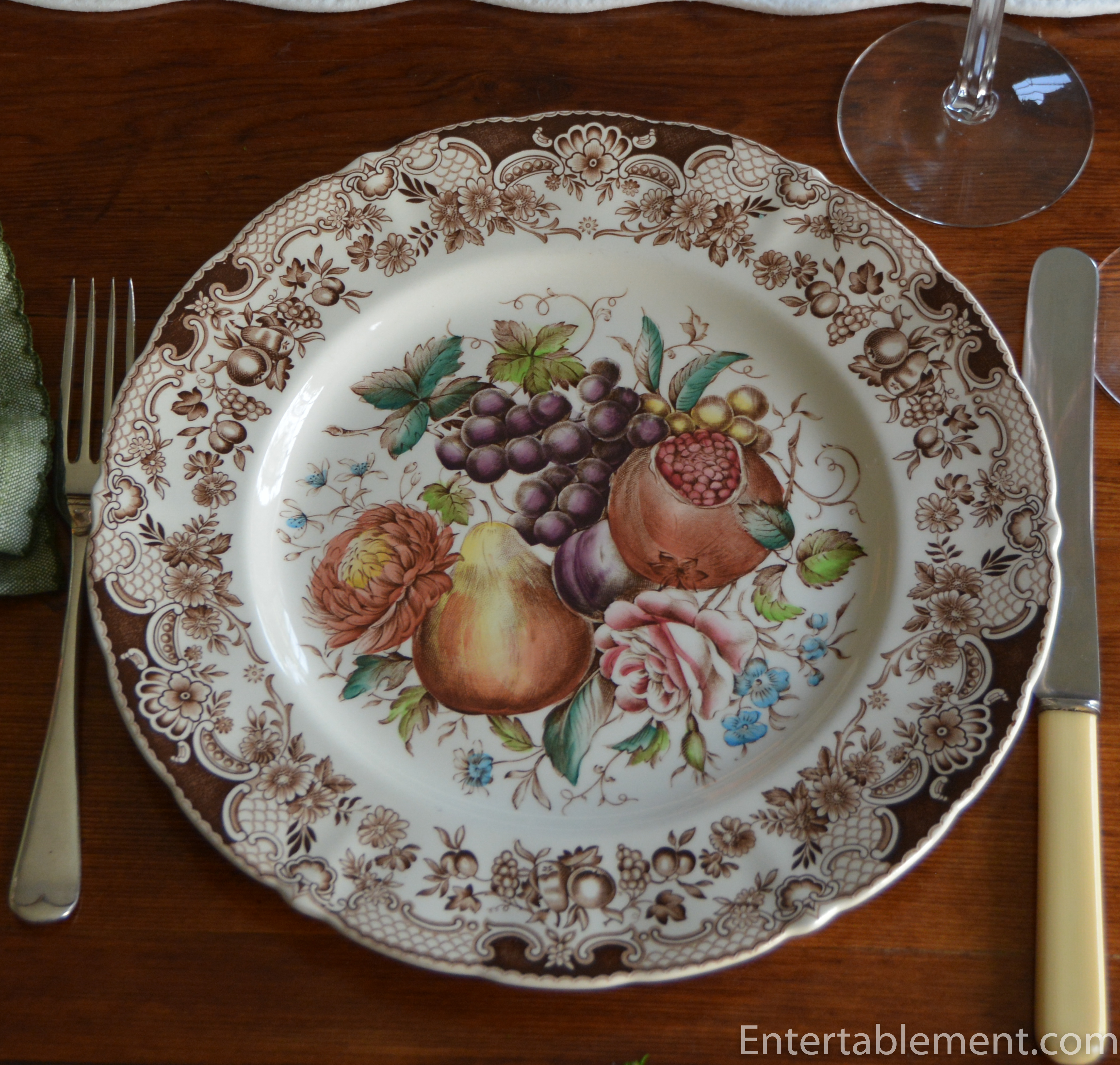
Harvest (Fruit): A vibrant celebration of seasonal bounty, featuring grapes, pears, and plums—perfect for late summer and early fall entertaining.
Pareek Line: A series of Indian-inspired designs marked by rich borders, intricate florals, and exotic motifs—an early example of East-meets-West in 20th-century ceramics. The series included Garfield and Ningpo


These patterns balanced storytelling and practicality, becoming fixtures in households where form had to meet function.
A Place in Popular Culture
Johnson Brothers dishes were part of childhood memories for many North Americans: stacked in kitchen cupboards, laid out for Thanksgiving, or pulled from china cabinets on special occasions. Their wares spoke to the mid-century aesthetic—clean lines, muted colours, and traditional themes repackaged for a modern world.
A Legacy of Approachability
- 1883: Johnson Brothers was founded in Hanley, Stoke-on-Trent
- Early 1900s: Became one of the world’s largest tableware producers
- 1960s: Expanded into international markets, particularly North America
- Late 20th century: Acquired by Wedgwood
- Early 2000s: Production under the Johnson Brothers name was discontinued
- 2015: Fiskars acquired the Waterford Wedgwood Group, absorbing the brand
Though production under the Johnson Brothers name ceased in the early 2000s after the acquisition by Wedgwood and later Fiskars, their patterns continue to be sought in vintage markets. Their enduring popularity lies in their ability to bring elegance to everyday life.
Why Johnson Brothers Still Matters
In a world where the table is often overlooked, Johnson Brothers reminds us of the joy in setting it with care. Their patterns are not just plates and cups—they are vessels of memory, tradition, and shared meals.


