
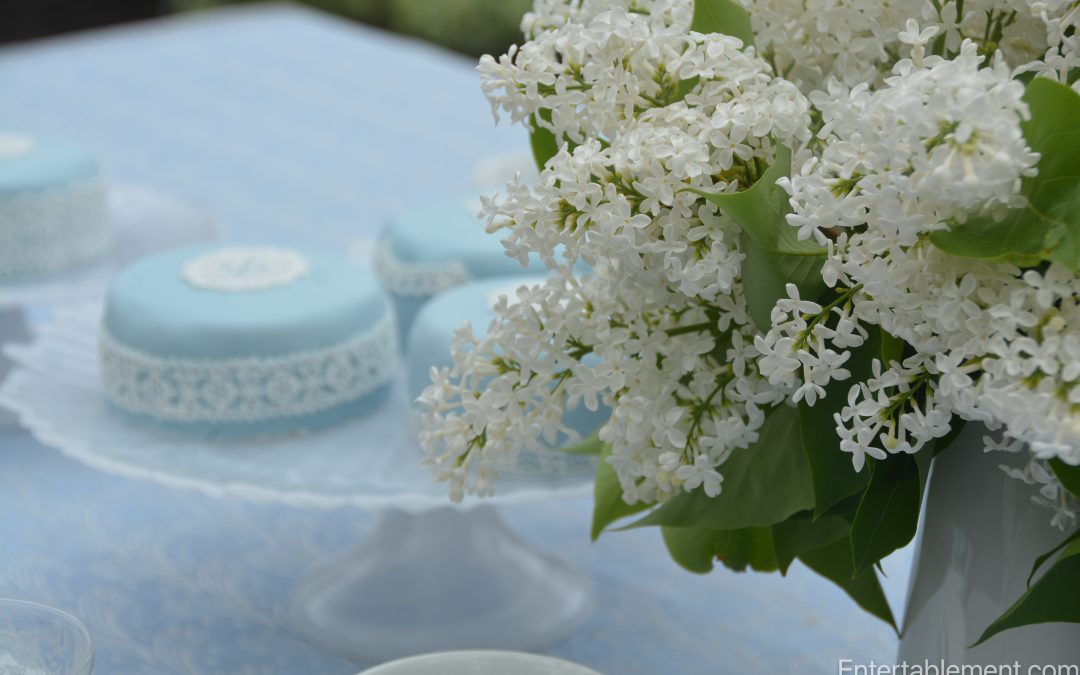
There are moments in life when one looks at an elaborate cake decorating technique and thinks, “How difficult could that possibly be?”
These moments are almost always followed by several hours of intense concentration, a light dusting of icing sugar over every available surface, and the gradual realization that professional cake decorators deserve considerably more respect than society currently affords them. Still, this is how we learn.

This Wedgwood-inspired spring tea first appeared in Entertablement—The Four Seasons. Revisiting it now feels rather appropriate.

Not because of any particular occasion or holiday, but simply because spring seems to invite this sort of thing.
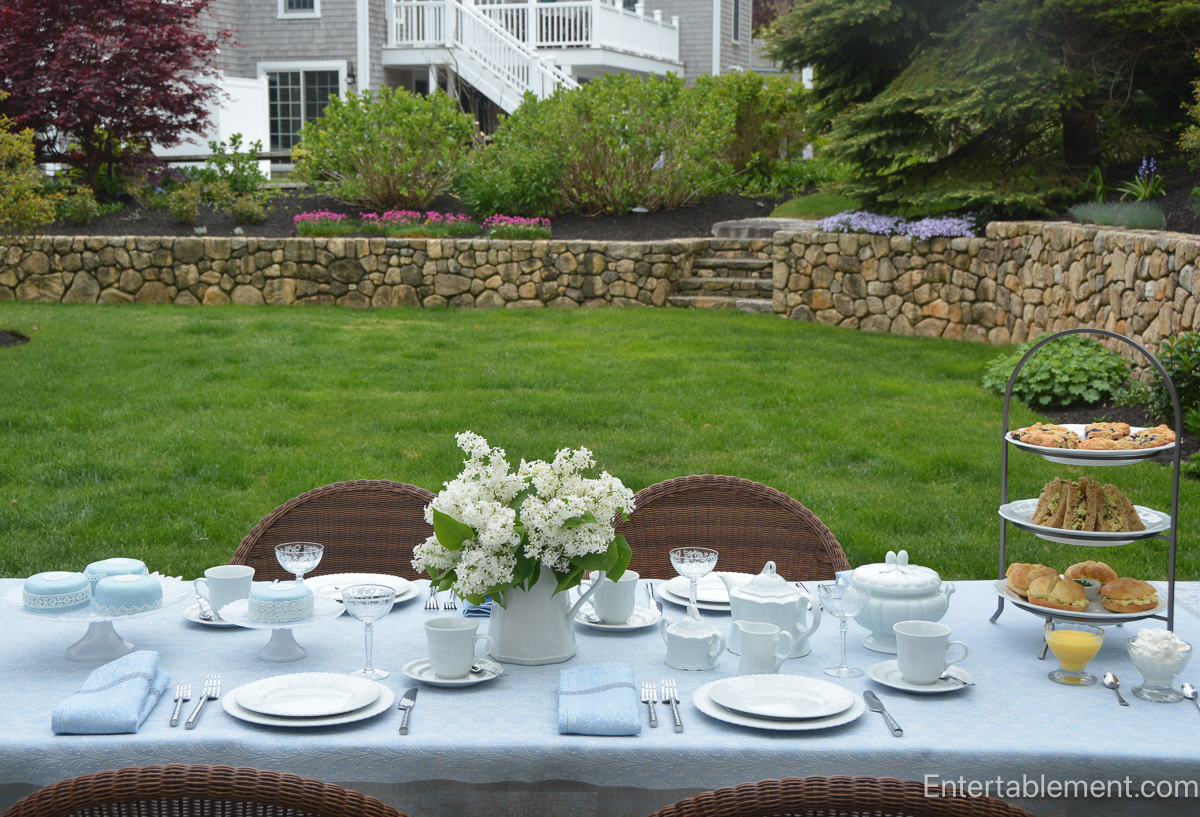
Longer days. Lilacs beginning to bloom. And the sudden and irrational confidence that one might attempt intricate edible lacework.
The Curious Appeal of Slightly Absurd Projects
Cake decorating belongs to a very specific category of undertaking: projects that appear charming and manageable at the outset. One imagines a peaceful afternoon of creativity; one does not initially envision oneself hunched over the kitchen counter attempting to coax microscopic strands of fondant from silicone moulds while muttering increasingly specific threats. And yet, despite all evidence to the contrary, I genuinely love it.
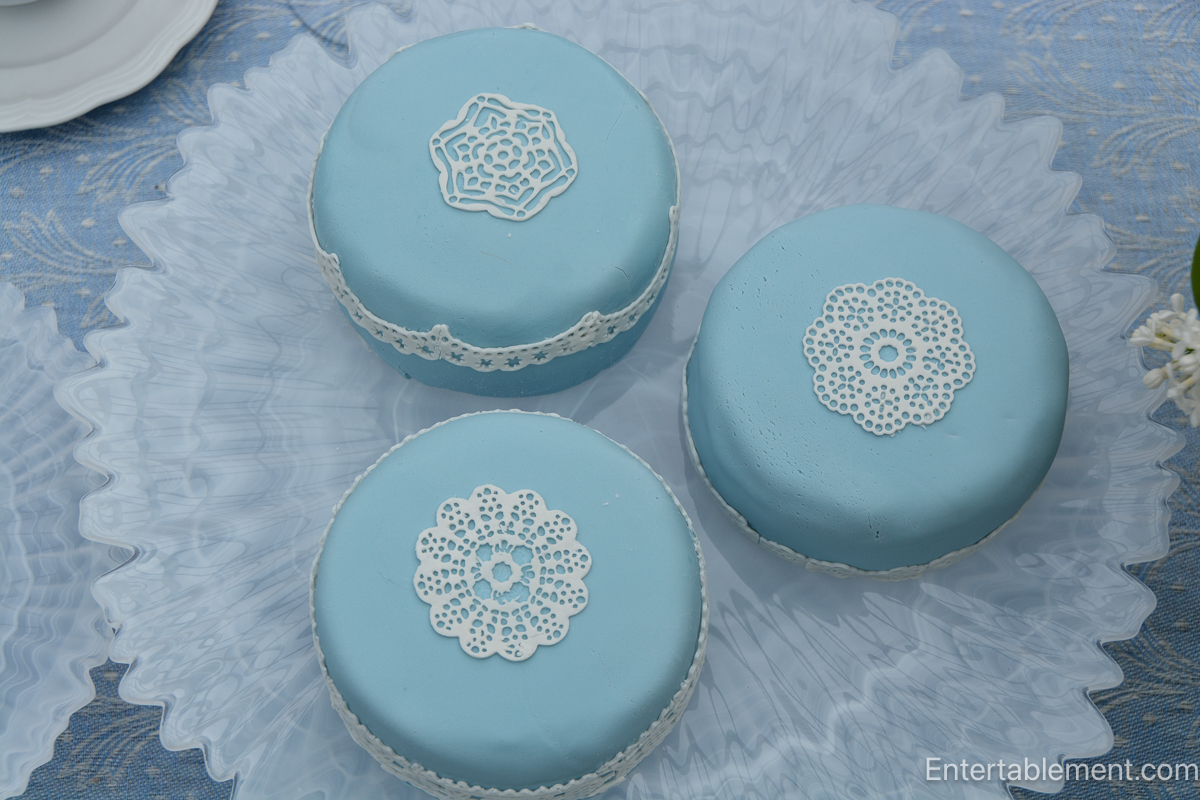
Part of the appeal is certainly the challenge. Over the years, I’ve been delighted (and occasionally astonished) by how much my skills have improved simply through trying things that initially seemed entirely beyond me.
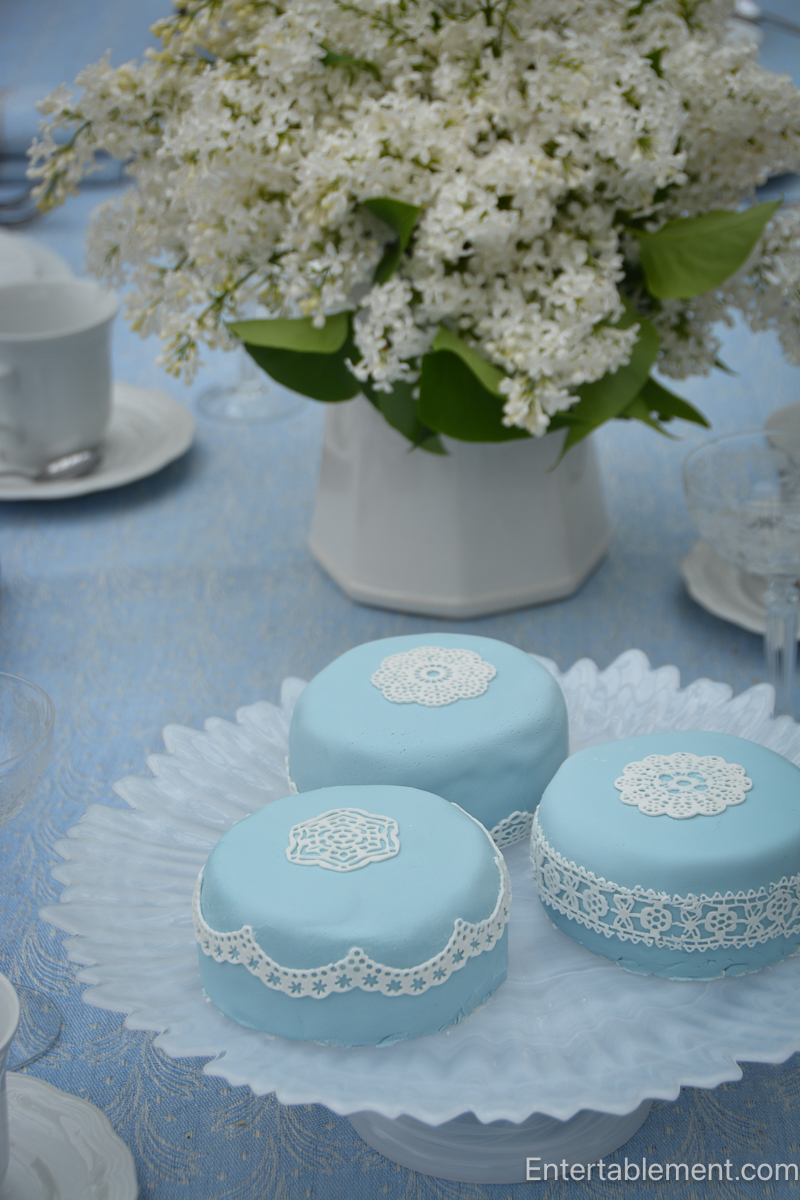
There is something deeply satisfying about learning to work with fondant, royal icing, piping, moulds, textures, and all the wonderfully fussy details that once felt impossible. Not that this means they suddenly become easy, but simply that one becomes better equipped for the inevitable moment when a decorative flourish tears in half and launches itself unexpectedly across the room.
The Strange Peace of Concentration
What I perhaps appreciate most about these projects is the focus they require. There is a wonderful mental liberation that comes from concentrating so completely on one small, intricate task that the rest of one’s worries and anxieties are temporarily silenced.
For a few hours, the world narrows quite pleasantly to whether the fondant is the correct thickness, whether the lace mould has released cleanly and whether one can reposition a decorative detail without destroying the entire side of the cake.
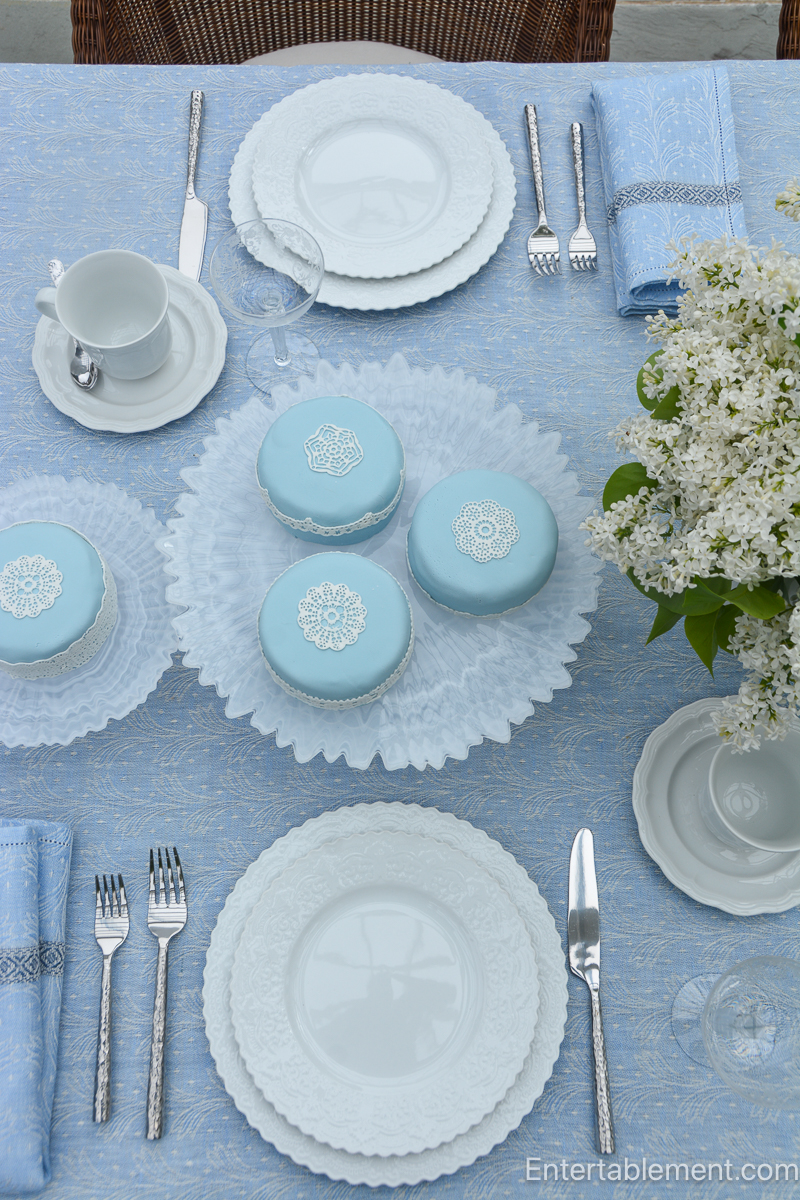
It is oddly restorative. Complicated baking projects may not qualify as meditation in the traditional sense, but they come surprisingly close.
Powder Blue, White China, and Lilacs
The table itself leans fully into spring softness.

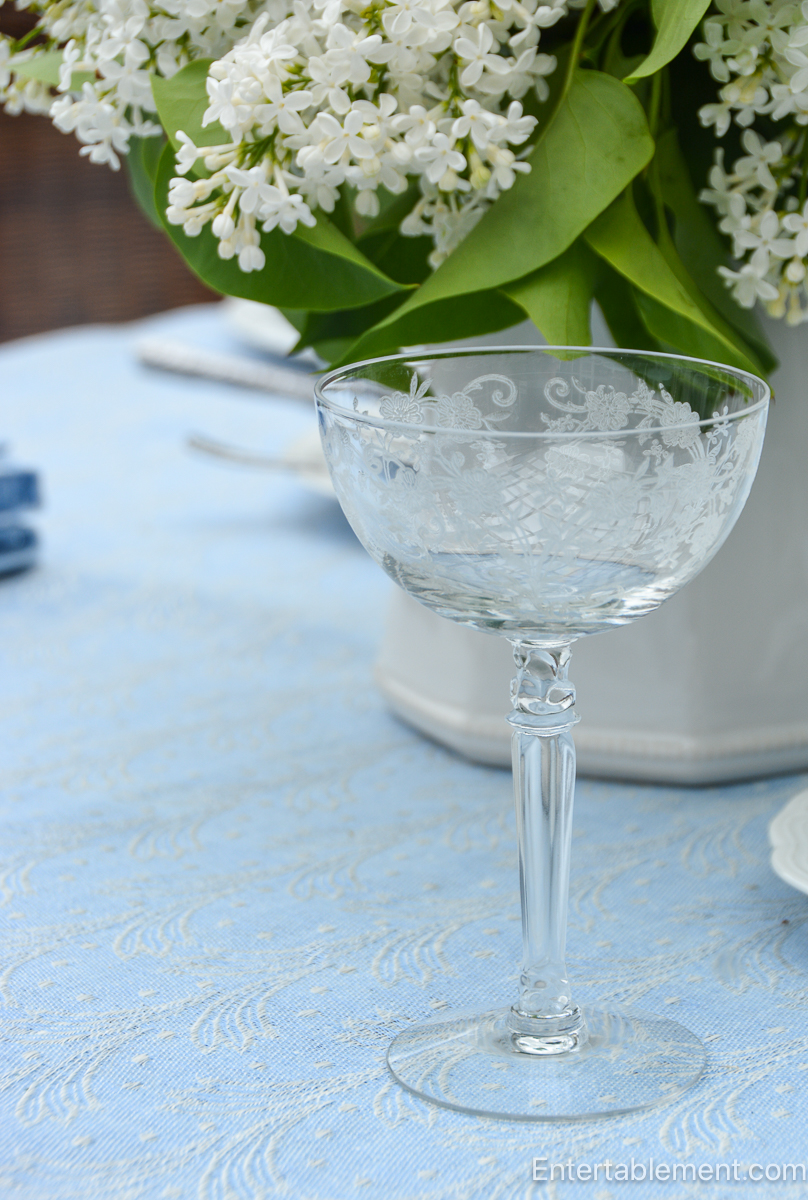
Powder blue linens, white china, and delicate Depression glass create the sort of setting that feels soothing before anyone has even sat down.
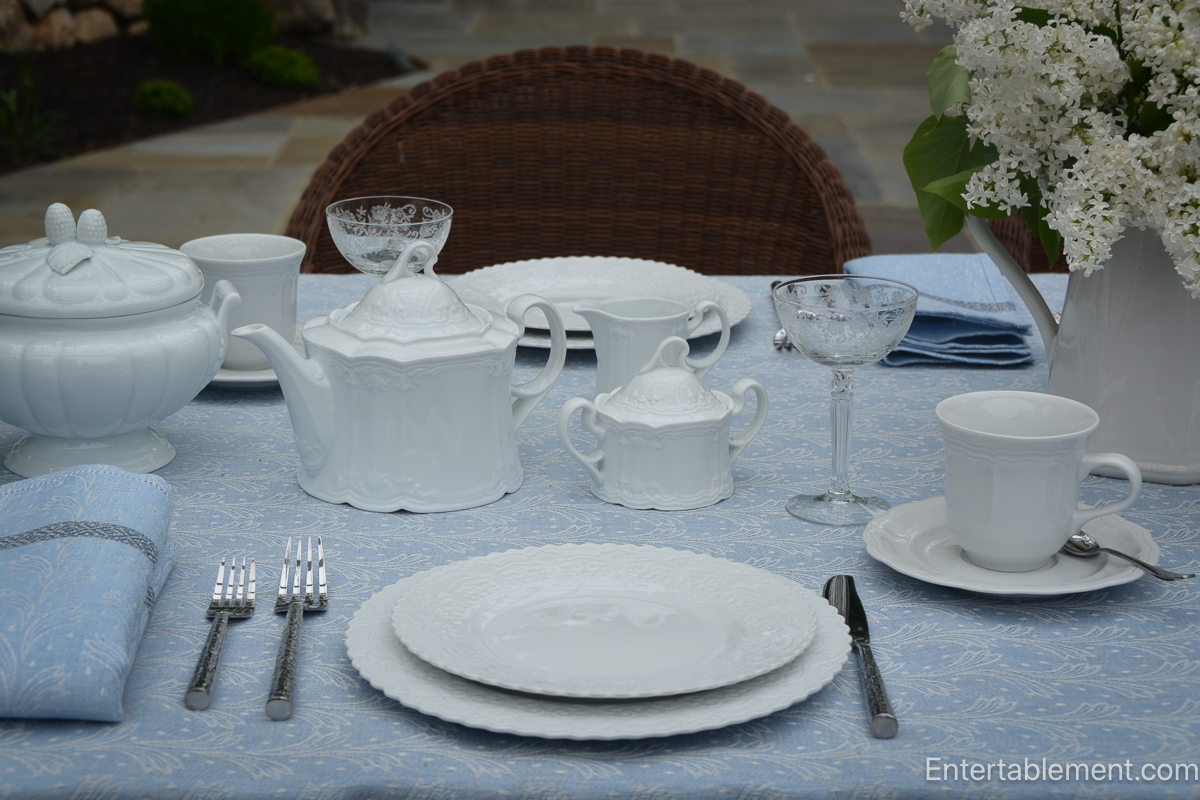
The palette is gentle and understated, though the Wedgwood cakes themselves are quietly showing off.

And then there are the lilacs. Lilacs never really believe in moderation.

They arrive all at once—fragrant, abundant, and gloriously excessive in the way only spring flowers can manage. Which makes them ideal for an afternoon tea.
Afternoon Tea Requires Tiers (and Carbohydrates)
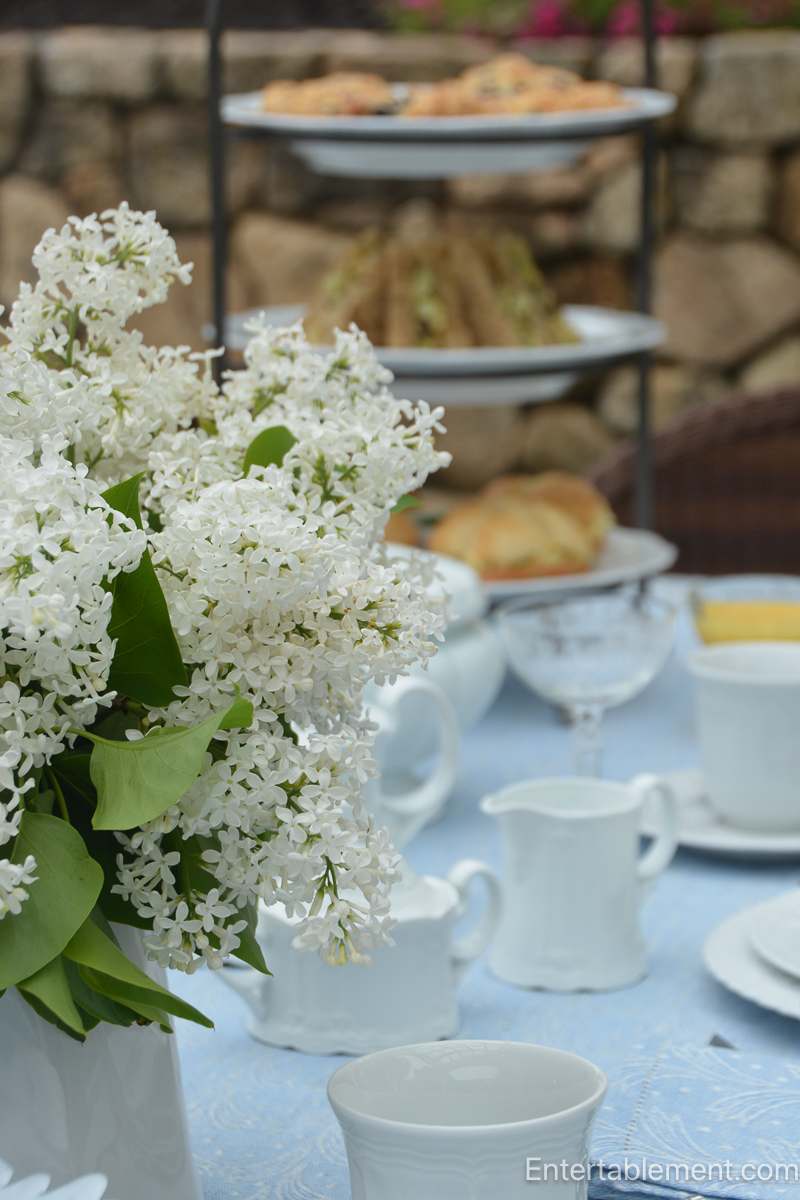
No proper afternoon tea feels complete without a tiered stand. There is something ceremonial about it.
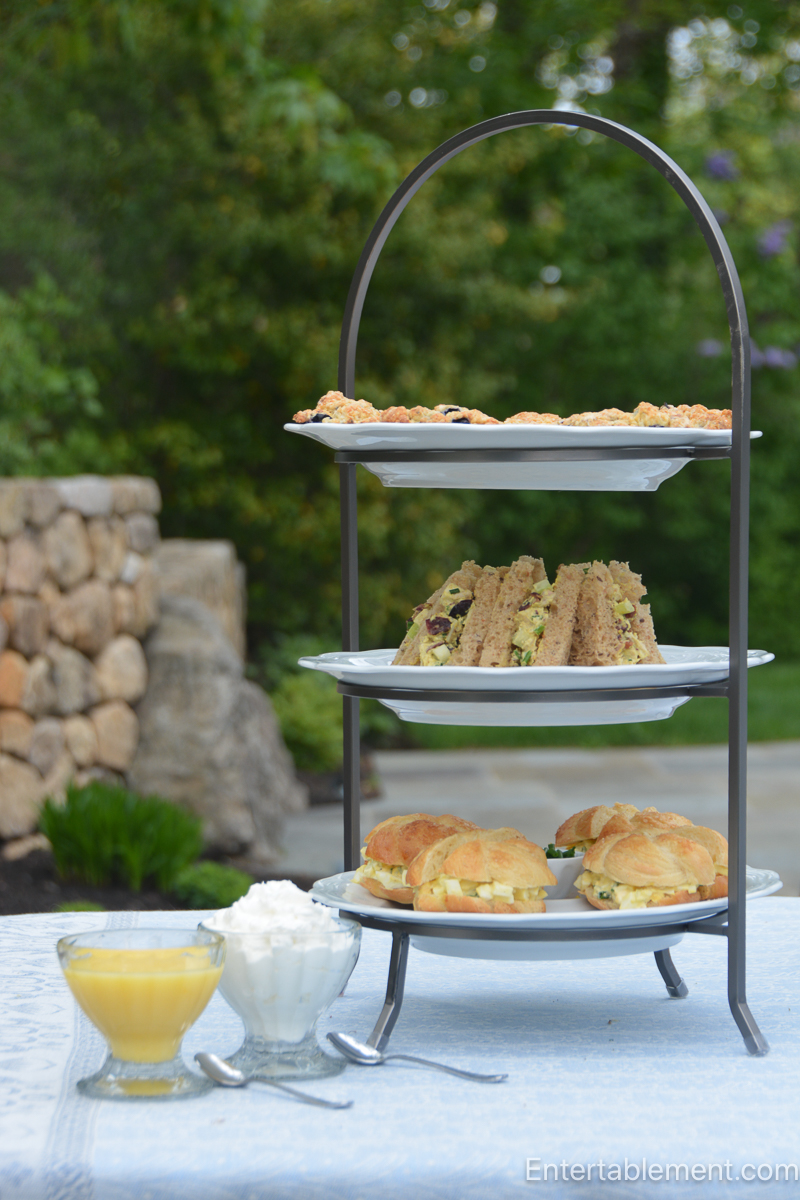
This menu included:
Egg Salad Sandwiches on Lemon Knot Rolls
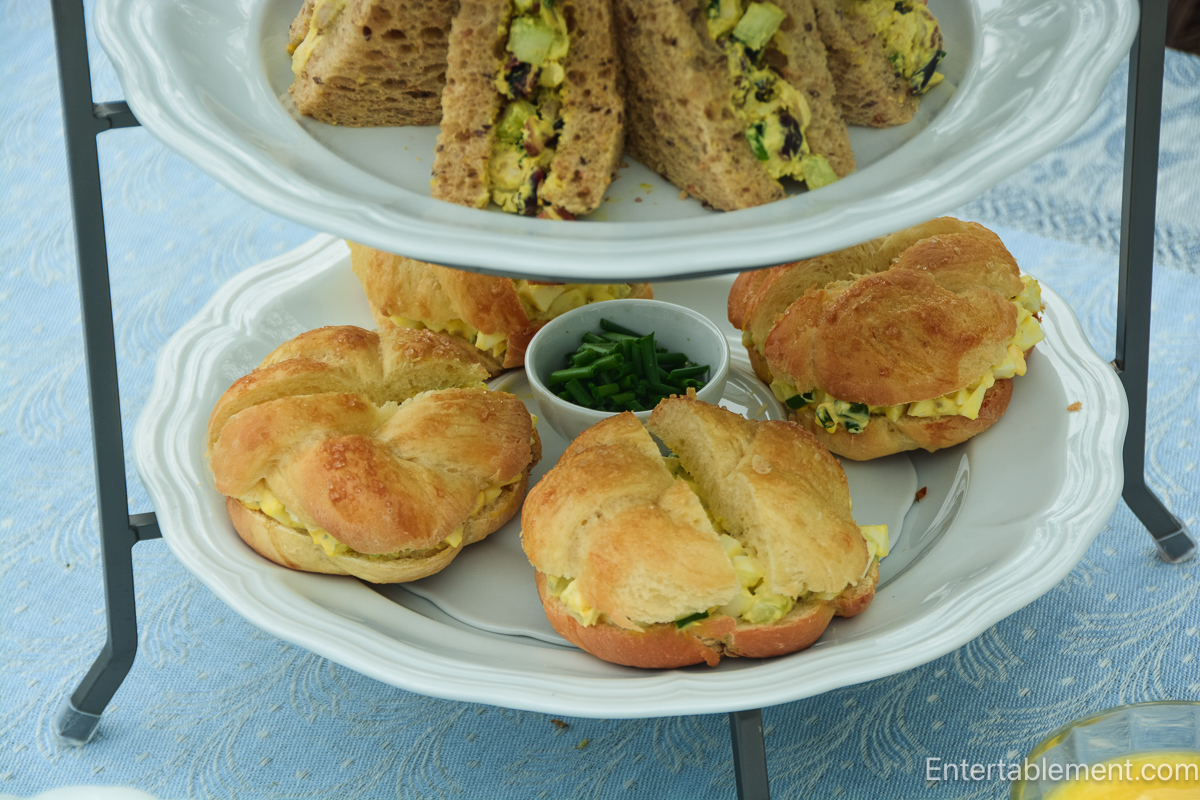
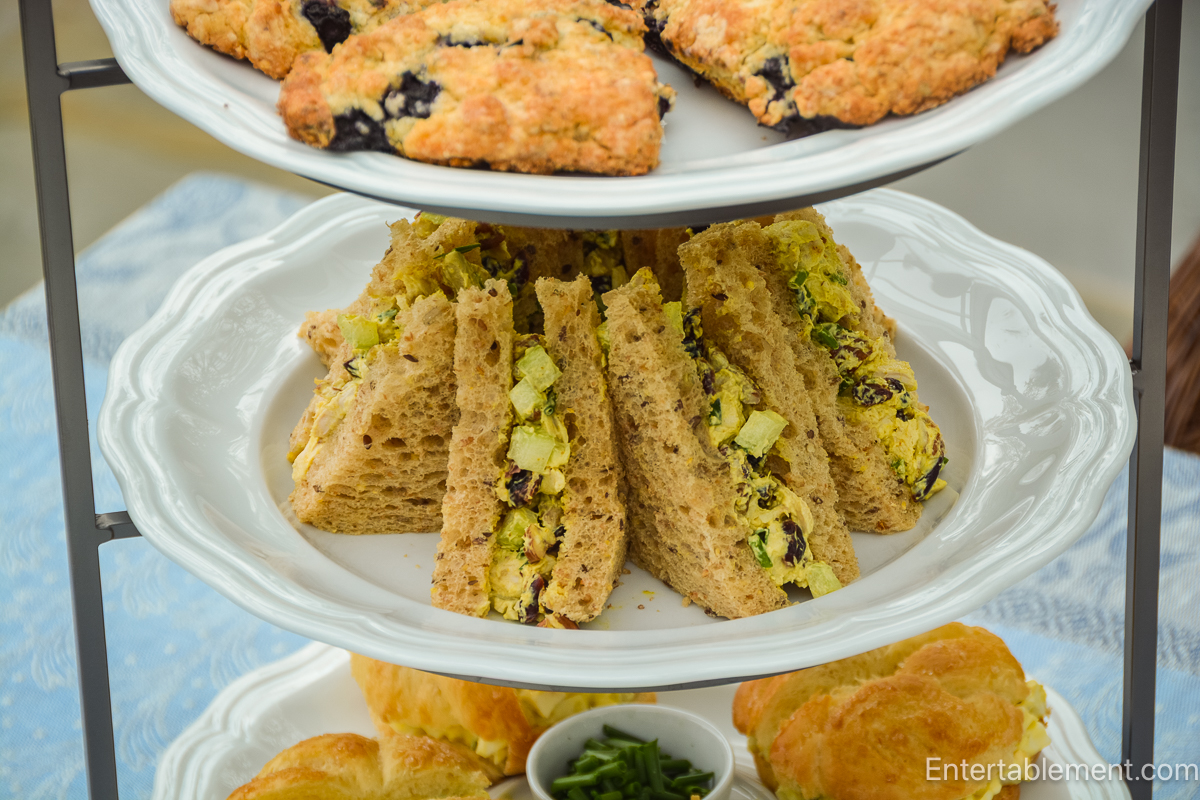

Together, they provide the ideal balance between refinement and the very practical human need to consume butter regularly. The blueberry lemon scones are particularly suited to spring—bright, tender, and fully deserving of Lemon Curd and cream. (I used whipped cream in this instance, rather than clotted cream, which is difficult to procure in New England).
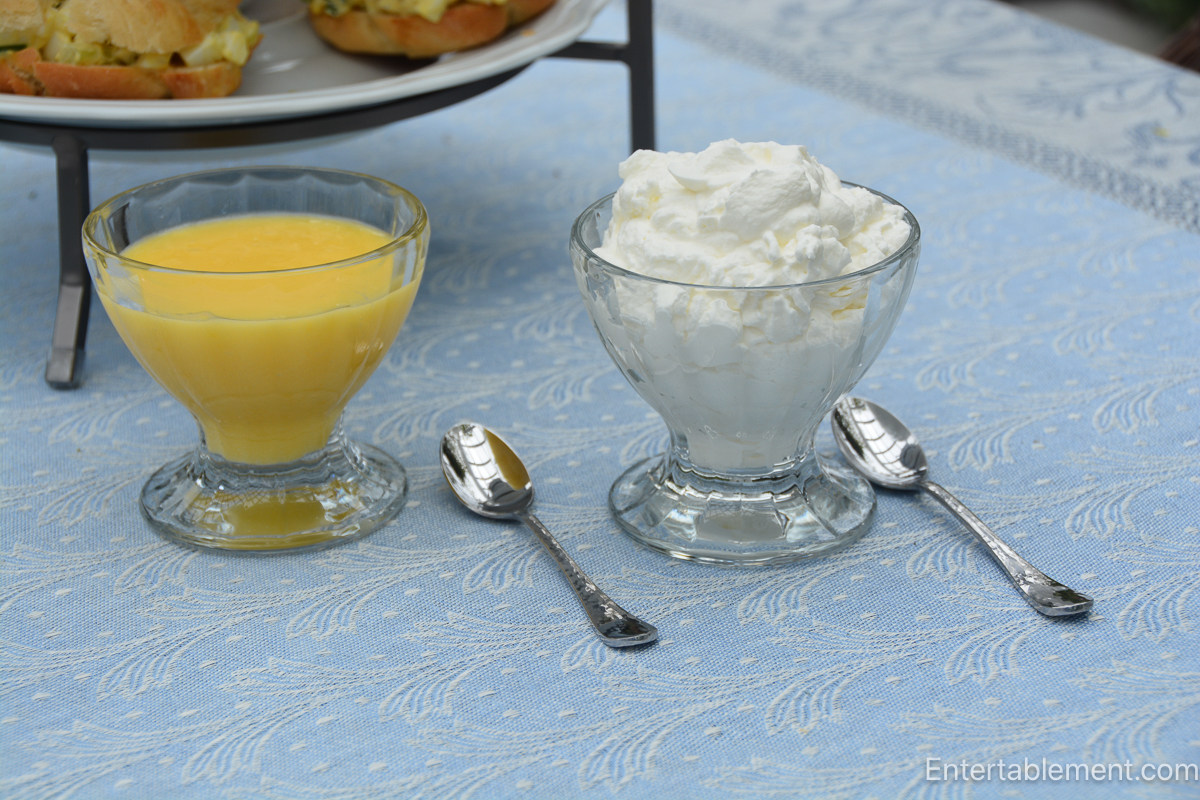
The sandwiches, meanwhile, offer that deeply comforting nostalgia unique to afternoon tea food: delicate enough to appear civilized, yet somehow impossible to stop eating.
And Anyway… You Get to Eat It
Perhaps the best thing about experimenting with food is this:
Even when things don’t go entirely to plan, the outcome is rarely a total loss. A lace border may crack, or a cake may lean slightly. Decorative ambitions may exceed structural reality. But at the end of it all, there is still cake.

Perfection is not really the point of entertaining—not at Entertablement, anyway. The joy comes from the trying. From learning something new and from attempting projects that may or may not be entirely sensible simply because they spark curiosity or delight. And occasionally, if one is lucky, from discovering that one’s wildly optimistic idea actually turns out rather beautifully.
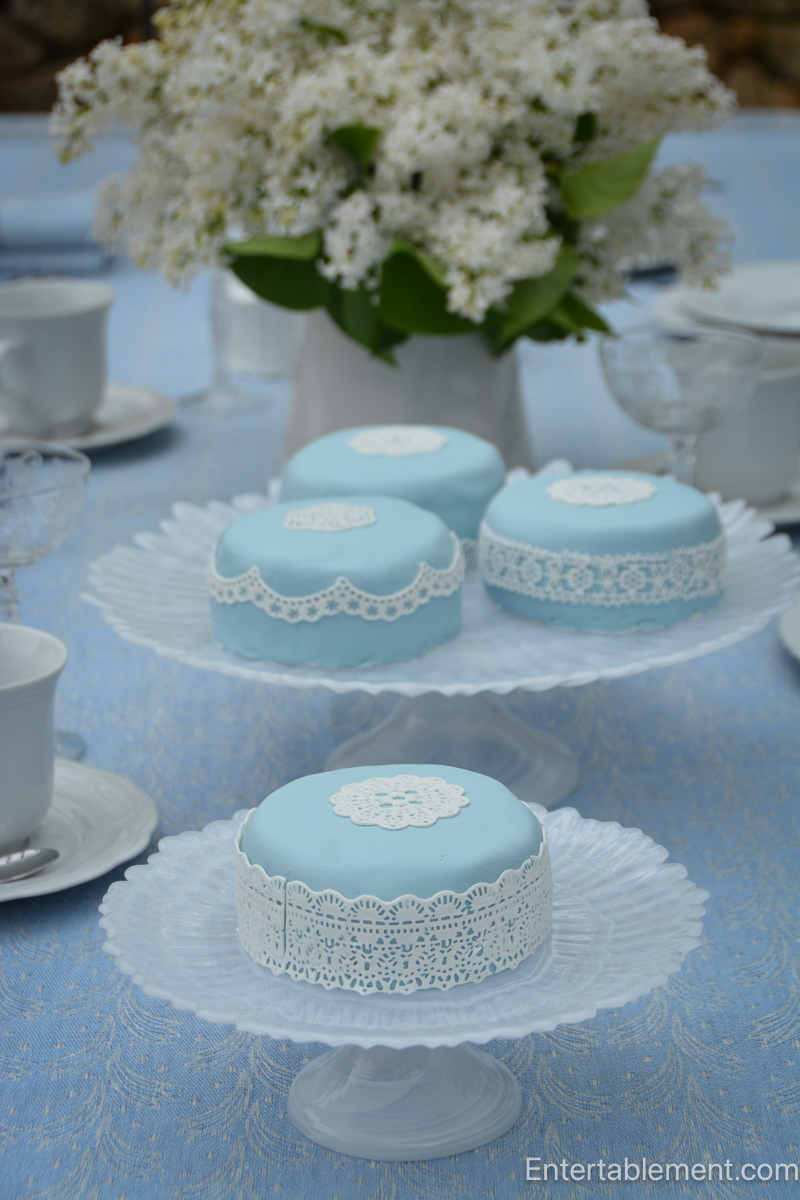
Even if the kitchen afterwards suggests otherwise.
Sources:
- Dinner and salad plates: Sophia by Ralph Lauren (discontinued)
- Tureens,teapot, sugar & creamer: Maryland China
- Cups and saucers: Queen Anne by Pillivuyt (Williams-Sonoma)
- Champagne coupes: Depression glass—Buttercup by Fostoria (discontinued)
- Cake stands—Alma by Anthropologie (discontinued)



We were privileged to enjoy this on a summer afternoon. The cakes were works of art and almost too beautiful to eat. But eat we did and they were so delicious along with all the other tasty goodies. Better than high tea at the Ritz!
It was so much fun, wasn’t it, Maura! Hard to beat springtime in Cape Cod, and a tea with good friends.
Dear Helen, a beautiful spring table that soothes the eyes and delights the senses…all of them, what with white lilac (my favourite). I planted one two years ago; at least that’s what the tag said. Last week it bloomed the prettiest and strangest pale, pale blue-lavender unlike any I’ve ever seen! Were I to attempt those cakes in my kitchen, at least one would surely be in danger of a frustrated launch. I’ve just introduced OH to tender juicy turkey breast filets (not a common table item in deepest darkest Alpine Europe). He loved them served with peppercorn sauce, so next I will try coronation turkey salad–thanks for that reminder. On to rhodie season!
We just got back from the UK, Beatrice, and the lilacs were in full bloom for the entire three weeks. Tons of cascading wisteria and the most gorgeous pale pink clematis. We had sunshine all but two days, with cool weather—perfect for spring blooms. I have never seen a pale blue lilac! What a marvellous find! Not quite but you ordered, but sometimes these little surprises can be the biggest delights.
Wow, they are beautiful. If you ever get the chance, the afternoon tea at the Wedgwood factory is amazing.
I visited the Wedgwood Factory and Museum a few years ago, but didn’t stop for tea. You’ve given me a great reason to go back!